


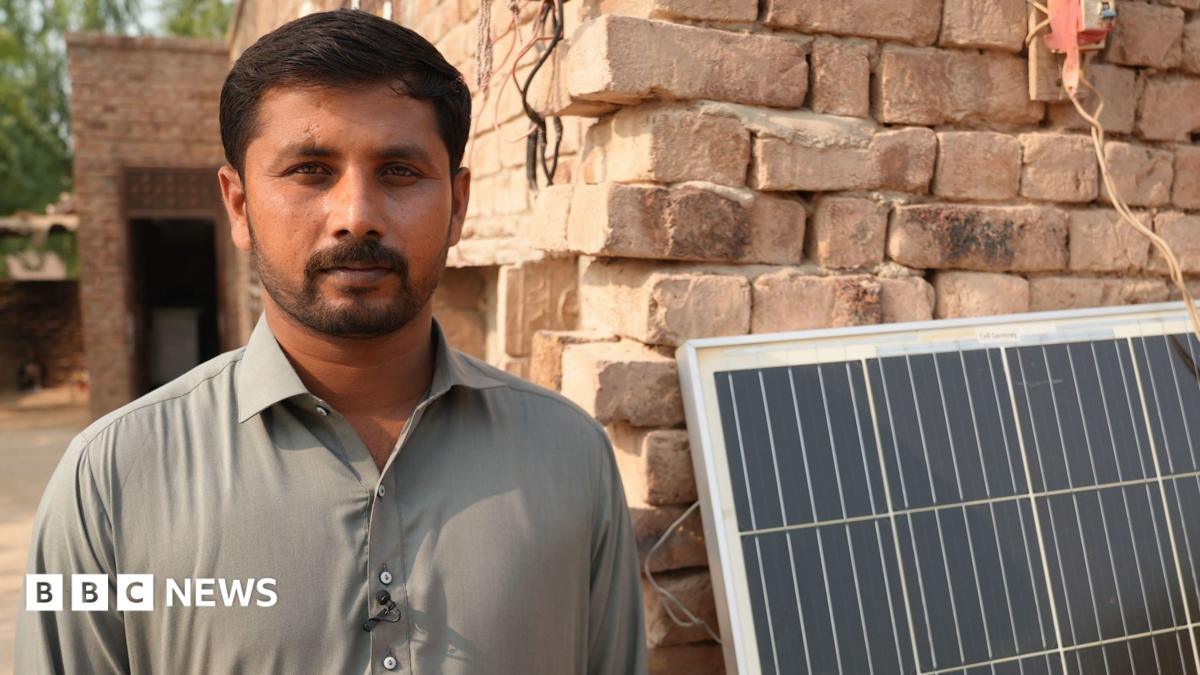
Pakistan is experiencing a rapid expansion of solar power, with panels increasingly appearing on homes, farms, hospitals and industrial sites. For families facing electricity bills of up to 18,000 Pakistani rupees a month, solar panels have become both a practical energy source and, increasingly, a traditional wedding gift.
Solar panels as wedding gifts
Three months after his wedding, Faisal Shahzad’s home in rural Punjab was filled with gifts from his bride’s family, including jewelry, sparkling silverware, sofas and air conditioning. But his most valuable possession was hidden under the bed: a 340-watt solar panel.
“In the summer, we were running from 8 a.m. until the evening,” Shahzad said, adding that the family did not need to use electricity from the national grid during the day. “We had the cooler on all day.”
Shahzad said motorcycles and other household items were once common wedding gifts. “Now we’re given solar panels and coolers. It’s almost become a necessity.”
Rapid growth in solar power
Imported solar panels are spreading across Pakistan, powering homes and hospitals as well as farmers’ fields and industrial parks.
According to Renewables First, a Pakistan-based think tank, the share of electricity generated from solar power in Pakistan will rise from 1% in 2018 to 28% in 2025. About 7 million households now own solar panels, the group says.
Shahzad still uses the national grid alongside his solar panels, particularly because he lives with his family and his siblings’ families and often runs several appliances at once. But the cost of grid electricity is becoming unaffordable in a country where the average monthly wage is just under 40,000 Pakistani rupees—about £110 or $145. Electricity bills have risen to between 15,000 and 18,000 rupees.
Pressure on the national grid
This year’s COP31 is urging countries to move away from fossil-fuel-powered cars, boilers and other equipment that emits greenhouse gases. As Pakistan becomes a prominent example of rapid solar adoption, the shift is also producing spillover effects for the national electricity grid.
Source: www.bbc.co.uk