


Jessica Hische Faces Backlash Over Meta Muse AI Branding Work
Bay Area lettering artist and small business owner Jessica Hische has taken on freelance work for Meta’s new AI assistant, Muse—a decision that has sparked intense criticism from fellow designers and artists.
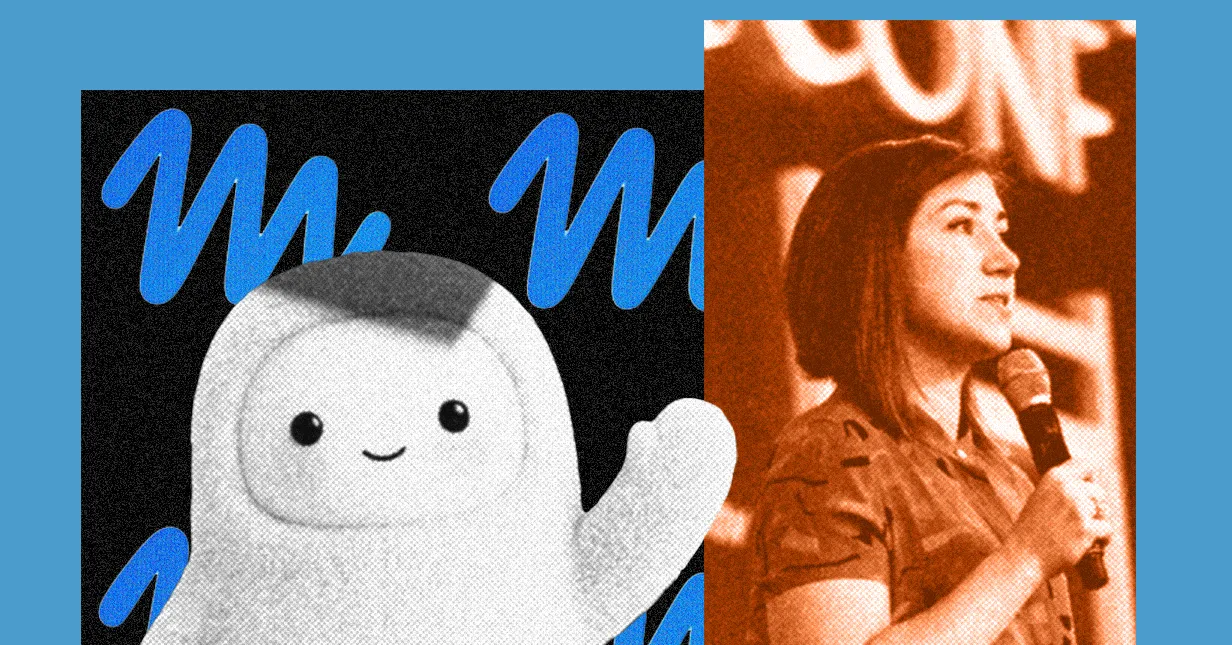
Hische collaborated on the icons and logotypes for Muse, Meta’s entry into the world of AI agents and personal assistants. The project was bound to upset some people. “AI is very much the third rail, and Meta is very much the third rail,” she told me.
Meta has announced Muse as part of its push into AI-powered personal assistants.
Hische said she needed the money. She relies on client work to help keep her two brick-and-mortar art and stationery stores afloat in Oakland. In a newsletter last month, she announced the project with the message: “New job! (Please don’t get mad).”
“I collaborated on the icons and logotypes for Meta’s latest release, Muse,” Hische wrote. “Muse has just launched, and this is Meta’s foray into the world of AI agents/personal assistants. I know people have big feelings about both AI and Meta, but this was a really fun project for so many reasons.”
Hische is also a small business owner. She said she has invested $100,000 in Studioworks, a management platform she runs for creators, and $30,000 in Drooling, an Oakland children’s art shop that hosts classes and workshops.
“For the past year, I’ve had between two and four paychecks in my account at any given time. As any small business owner knows, this can be pretty volatile,” she wrote on Threads. “There are four people on the payroll, including myself, my mother and two store employees.”
Her explanation did little to calm the backlash. The news spread quickly on Threads, where dozens of fellow designers criticized Hische for taking the job and accused her of selling out.
“Disgusted,” one user wrote. “It’s not a question of money, it’s a question of ethics.”
Another user wrote: “Doing this job is like beating up a mob and later being surprised when the mob takes you too.” Other users posted photos of Hische’s home and speculated about her wealth and finances.
Hische expected criticism from the artist community but was caught off guard by the intensity of the response. Although she understood that many people opposed both Meta and generative AI, she believed the company should be praised for hiring independent artists instead of using generative AI to create the work.
The backlash illustrates how unpopular generative AI has become in some creative circles. For some artists and designers, working with an AI company—or contributing to an AI-related product—is now viewed as a betrayal, regardless of the role involved.
We spoke by phone last week about the backlash, her design process and whether she was instructed not to make the Muse logo look like a butthole.
Source: www.wired.com