


How Cambrian Coprolites and Fecal Pellets Changed the Deep Ocean
The evolution of digestive systems may have transformed marine ecosystems more than 500 million years ago. According to paleontologists Kimming and Bicknell, the emergence of fecal pellets gave the deep ocean a new supply of iron, nitrogen, phosphorus, and organic carbon.
“The advent of fecal pellets provided the deep ocean with an additional source of iron, nitrogen, and phosphorus as well as organic carbon,” Kimming and Bicknell write. “In this framework, fecal pellets greatly enhanced support for marine animal life and may have supported the diversification and increase in biomass during the Cambrian.”
Kimming and Bicknell 2026
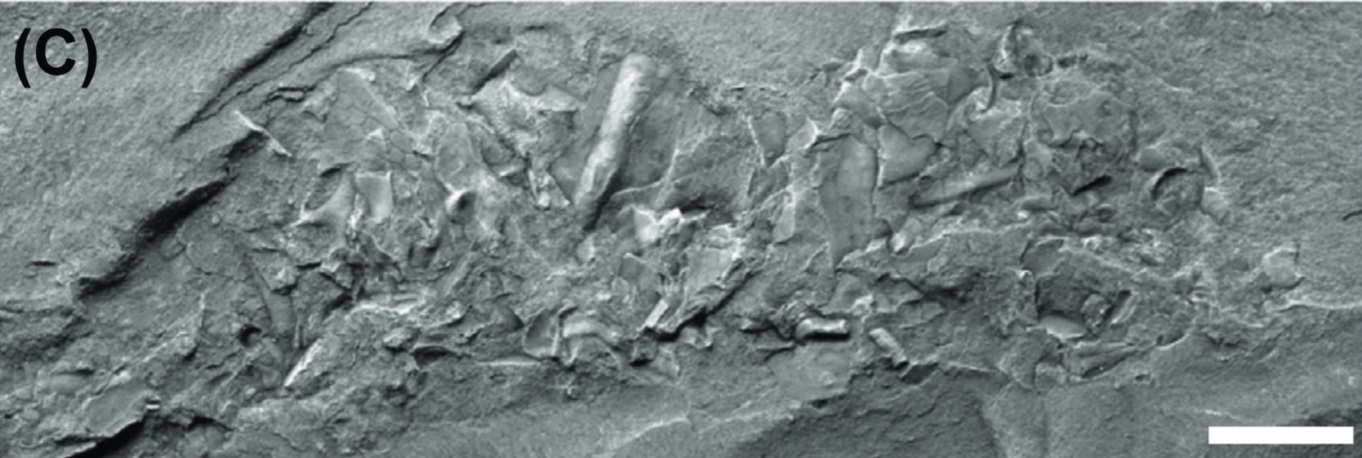
A Cambrian coprolite preserving trilobite remains from South Australia.
Kimming and Bicknell 2026
John Peel
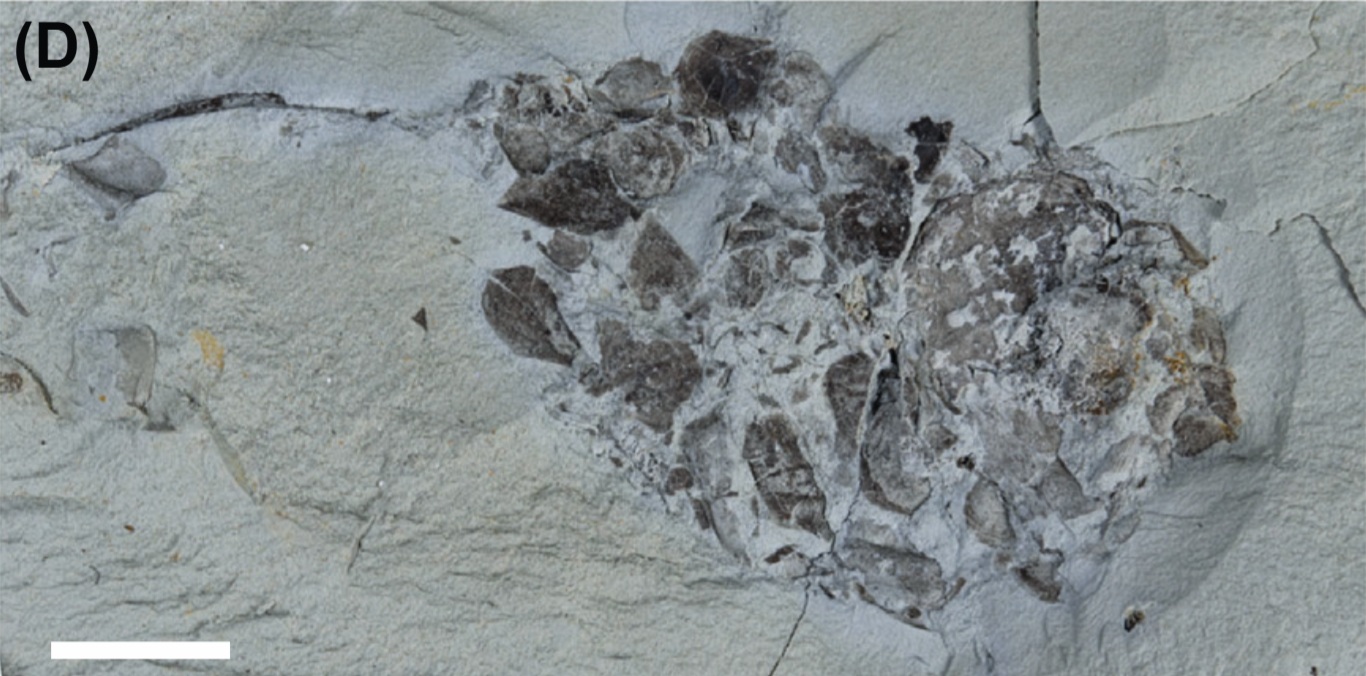
Cambrian coprolites from Greenland contain fossilized shell fragments.
John Peel
Kimming and Bicknell 2026
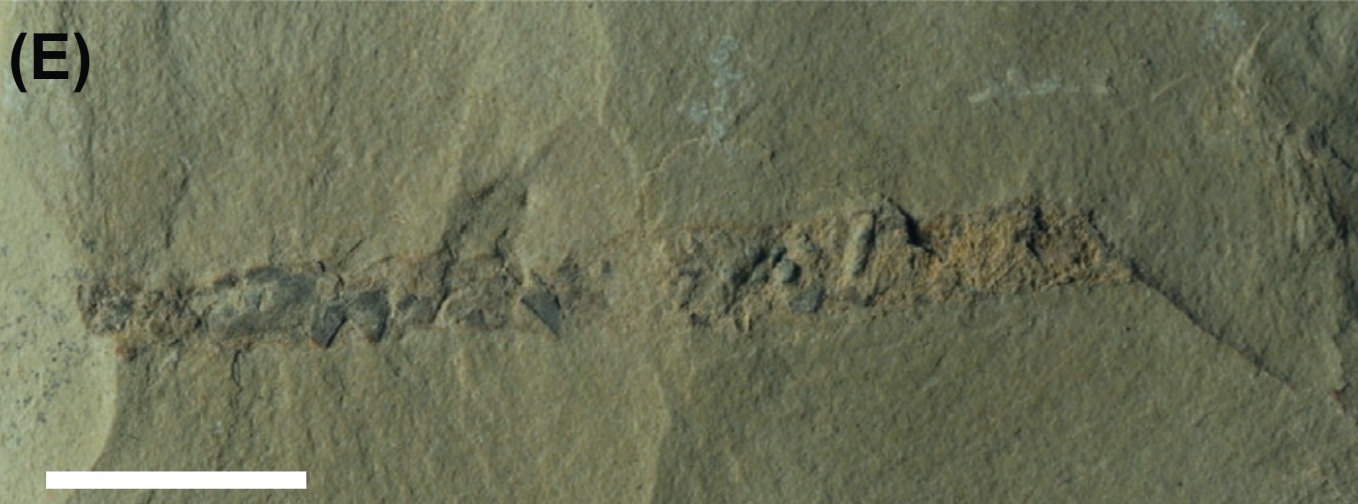
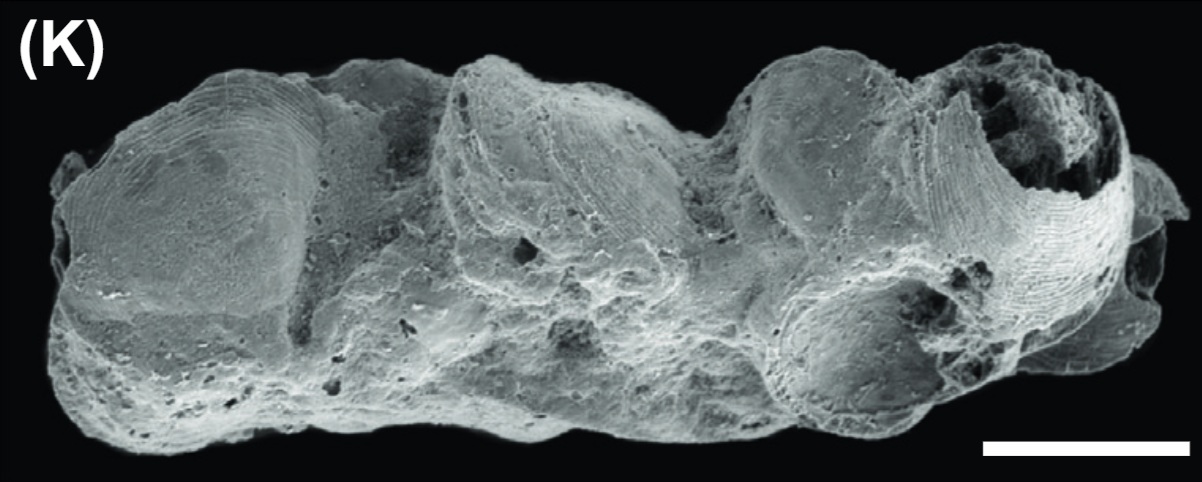
A fossilized Cambrian coprolite containing shell fragments and organic matter from China.
Kimming and Bicknell 2026
Cambrian coprolites from Greenland contain fossilized shell fragments.
John Peel
A fossilized Cambrian coprolite containing shell fragments and organic matter from China.
Kimming and Bicknell 2026
Kimming and Bicknell 2026
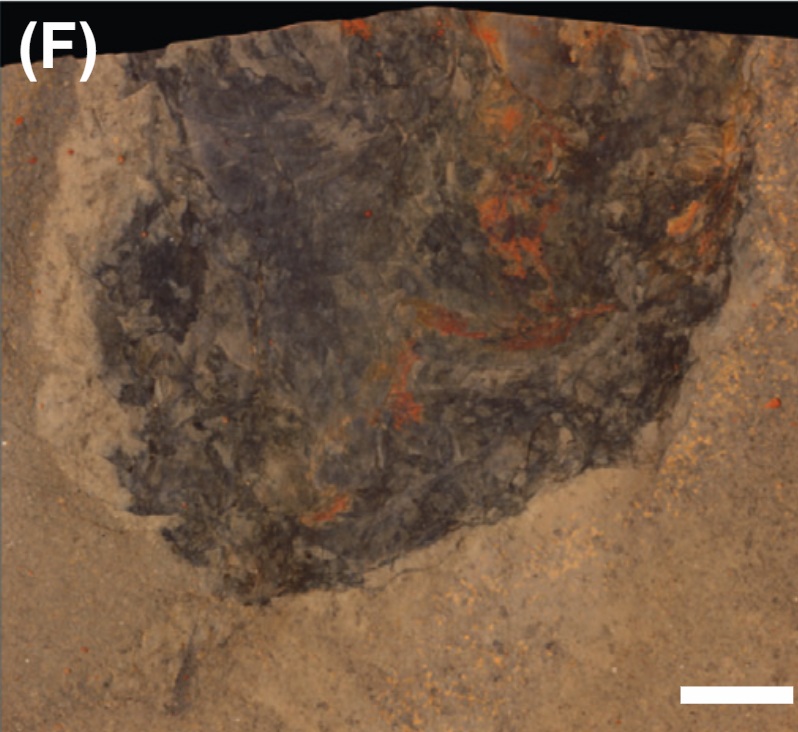
Petr Craft
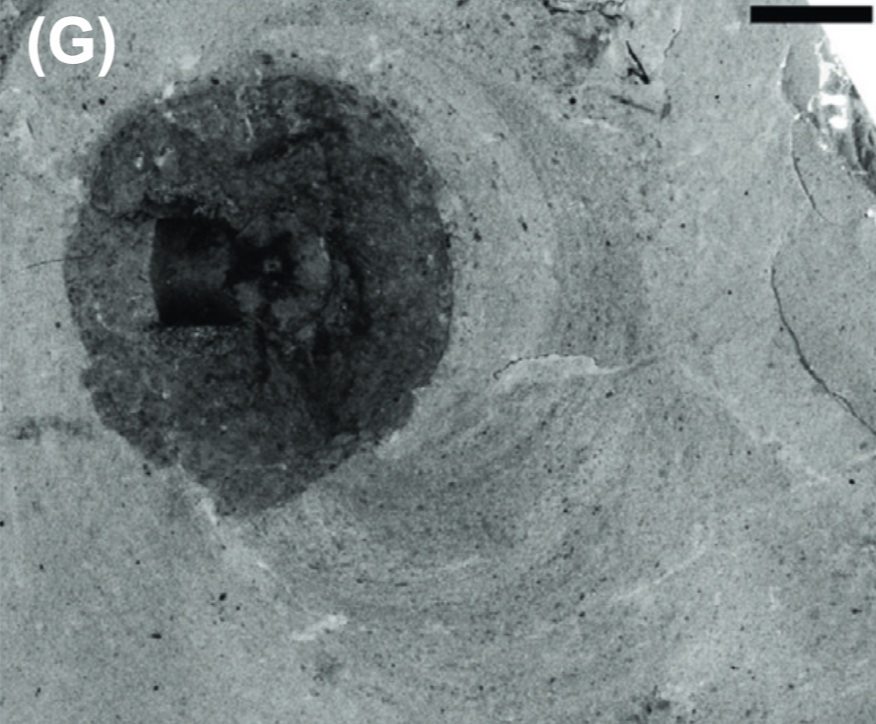
Kimming and Bicknell 2026
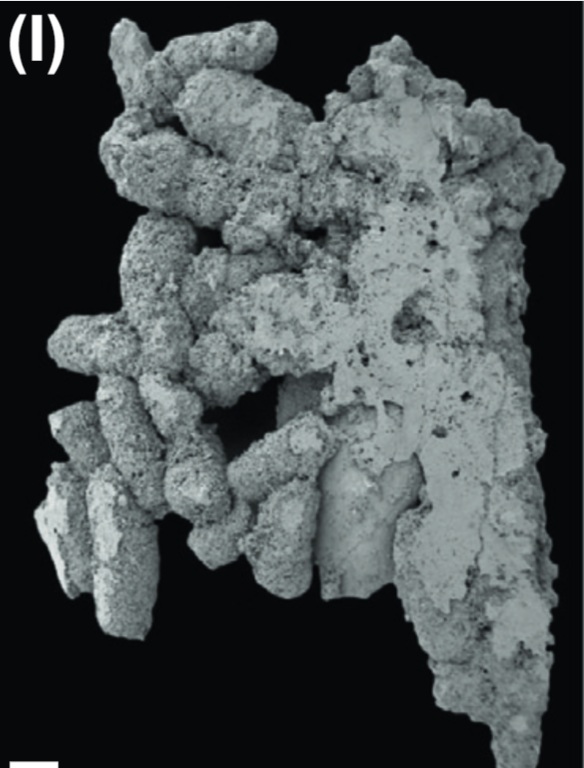
John Peel
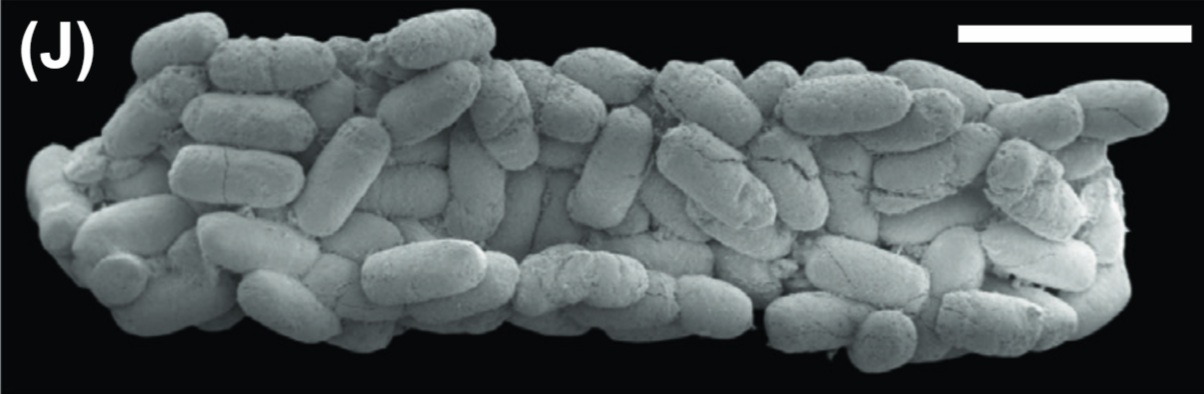
Zhang Xiguang
Zhang Xiguang
Tom Harvey
How Did Defecation Change the Evolution of Marine Life?
The earliest animals on Earth were relatively simple organisms that lived in sunlit surface waters and shallow marine environments. Depending on the evidence and interpretation, some of these early animals may have resembled sponges or jellyfish.
These organisms did not yet possess complex digestive organs. Instead, they absorbed or engulfed tiny food particles, including plankton and fragments of bacteria, through a single opening or directly through their cells. After processing the food, they released mostly metabolic waste products rather than nutrient-rich material that other animals could easily use.
As a result, the deep ocean remained a difficult environment for animal life. Very little organic matter reached the seafloor, and the available nutrients were insufficient to support large or diverse communities. The evolution of digestion—and the resulting production of fecal pellets—began to change that system.
By approximately 580 million years ago, some animals had evolved simple digestive organs. These early digestive systems allowed animals to swallow larger pieces of food and process them outside individual cells. This innovation supported the development of larger and more complex bodies, but it also created a new biological problem: indigestible material had to be expelled.
That waste became feces. When released into the ocean, compact fecal pellets could sink through the water column, transporting organic carbon and essential nutrients from surface ecosystems to the deep sea. This process, known as the biological pump, may have helped make deeper marine environments more productive during the Cambrian Explosion.
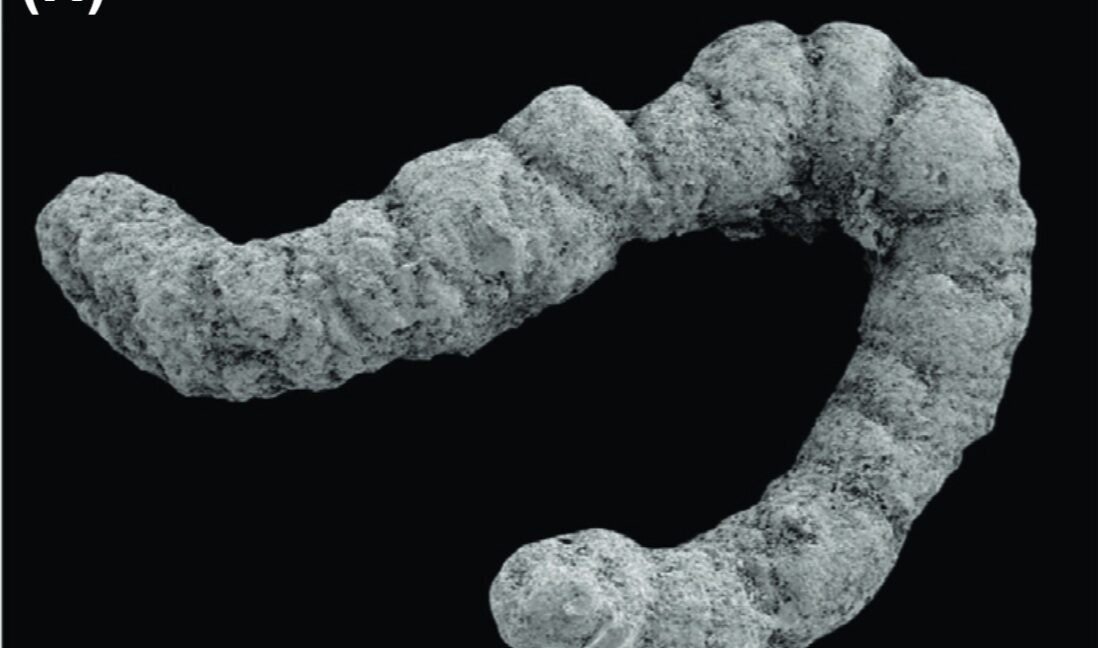
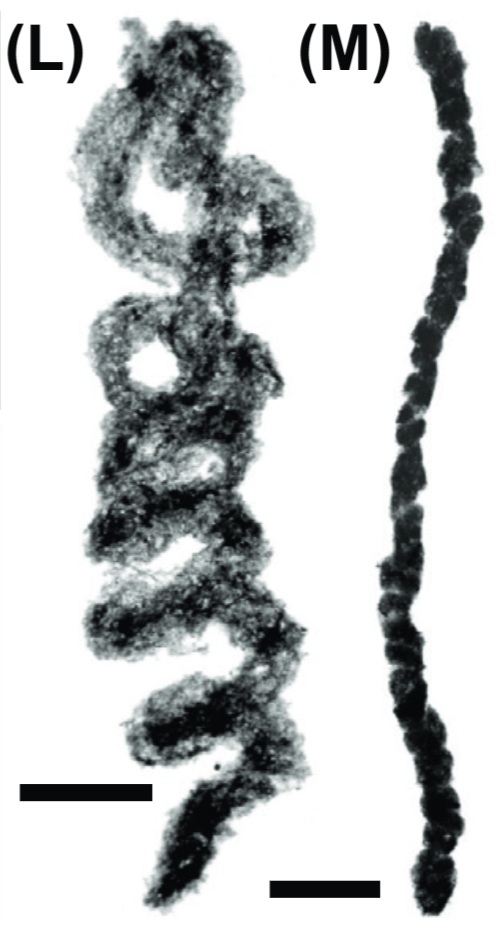
Paleontologists have identified Cambrian coprolites at approximately 35 sites worldwide. These fossilized feces date from roughly 540 million to 494 million years ago and range in size from microscopic particles to specimens several centimeters long.
“They range in size from microscopic to several centimeters, and include forms such as elongated, cylindrical, oval, circular, and ‘carpets’ of ‘exploded’ feces,” Kimming and Bicknell write.
Some of the largest Cambrian coprolites contain fragments of shells and exoskeletons. These remains provide clues about the diets of the animals that produced them. Their wide range of shapes and sizes also indicates that Cambrian marine ecosystems contained animals with diverse body plans, digestive tracts, feeding strategies, and diets.
Scientists have not yet matched many Cambrian animals with the coprolites they left behind. However, the fossil record shows that fecal pellets were more than waste. They may have been an important source of food and nutrients for other organisms, helping redistribute carbon, iron, nitrogen, and phosphorus throughout ancient oceans.
In that sense, the evolution of defecation may have helped reshape the marine food web. As animals became capable of eating, digesting, and eliminating larger food particles, they also began moving nutrients into environments that had previously supported little animal life.
Source: arstechnica.com