


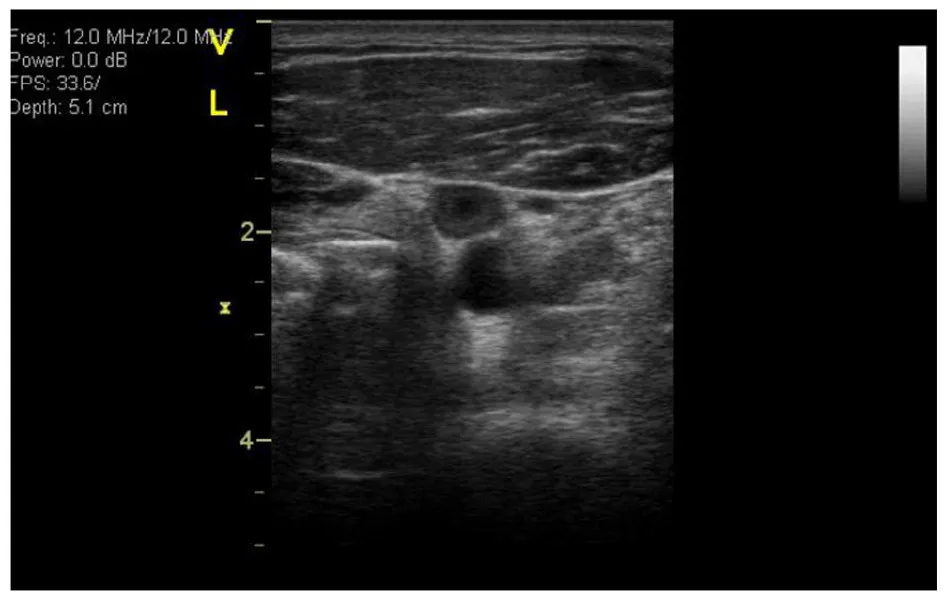
In April 2026, NASA’s Office of the Chief Medical Officer of Health (OCHMO) launched a specialized working group to assess the latest findings on venous thromboembolism (VTE) cases. This initiative included a review of new data revealing alterations in blood flow within the astronaut cohort and ongoing research aimed at minimizing VTE risks during spaceflight through evidence-based clinical practice recommendations.
Below is a summary of the key recommendations from the working group.
- The working group identified that stasis in the left internal jugular vein (IJV) is a significant risk factor for VTE in microgravity. However, there remains an ongoing debate regarding the contributions of slow qualitative flow, endothelial factors, and retrograde flow.
- Concerns were raised regarding the limitations of current in-flight ultrasound technology to accurately measure stasis or slow flow, particularly when using stasis alone as a criteria for necessitating prophylaxis.
- The group recommended further reviews utilizing ultrasound to evaluate congestion status during space missions.
- After discussing various risk factors, most panel members concurred that both stasis and reflux indicated a need for prophylaxis.
- It was also suggested that all risk factors, beyond stasis, should be assessed to determine when prophylaxis is necessary.
- Based on a thorough literature review and panel insights, the Astronaut VTE Risk Score Algorithm was developed. This includes guidelines for administering anticoagulant prophylaxis for congestion, whether alone or in conjunction with other thrombotic risk factors as established by existing ground literature.
NASA established this working group in October 2024, following the diagnosis of venous thromboembolism (VTE) in an astronaut aboard the International Space Station (ISS). Experts meticulously reviewed case data, updated clinical practice guidelines, and explored possible causes to enhance astronaut health and safety.
Source: www.nasa.gov