


France’s National Institute of Origin and Quality (INAO), the authority responsible for protected origin labels, has approved temporary rule changes for several protected agricultural products affected by the historic 2026 drought and summer heat.
The measures will support producers of Normandy Calvados and cider, Crémant d’Alsace sparkling wine, Poitou-Charentes lamb and Reine-Claude plums.
Protected designation and certificates of origin allow farmers to sell their products at a premium. However, these labels require producers to follow strict rules covering where and how food and drink are made.
The rules are designed to protect the distinctive identity of French cheese, wine and other regional products, including the concept of terroir—the connection between a product, its local environment, traditional methods and regional heritage.
Because of the severe 2026 drought, which INAO has described as “historic”, farmers will be allowed to temporarily relax some production requirements.
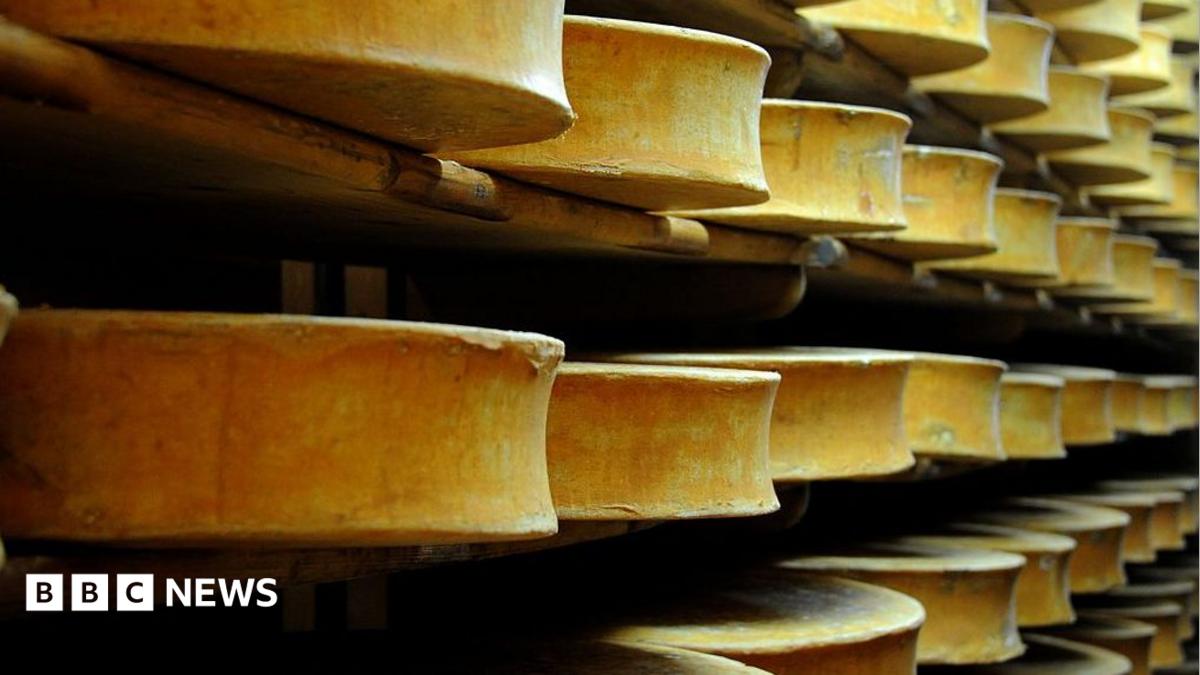
For example, producers of Abondance cheese in the French Alps can reduce the proportion of grass in their cattle feed from 50% to 15%. They may also import feed from outside the designated production area and use certain supplements.
Comté cheese producers in the Jura Mountains will be permitted to replace the local green maize normally fed to their cows with maize sourced from other regions.
French and European legislation allows temporary exemptions during periods of extreme weather. Similar changes were introduced following the exceptionally dry summer of 2022.
The impact of these changes on the taste, quality, production levels and prices of French cheeses remains to be seen.
Over the longer term, the decision raises questions about the future of protected origin claims in France and other countries facing increasingly unpredictable weather.
As climate change makes it harder to produce traditional ingredients in their historic locations, the concept of terroir is being tested more than ever.
Source: www.bbc.co.uk