


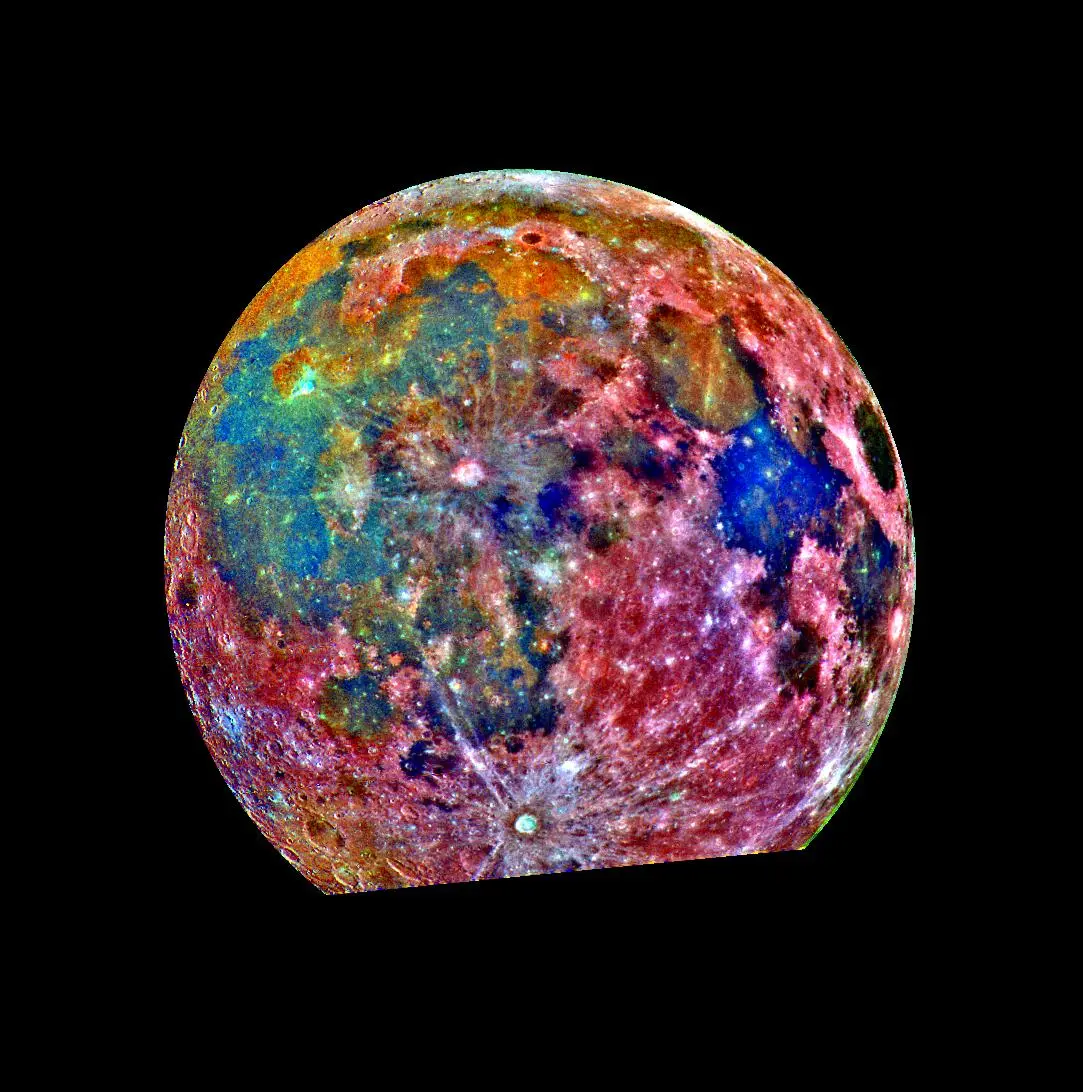
The Moon contains valuable resources, including water ice, iron, and titanium. However, extracting and processing these materials requires specialized equipment and careful mission planning. The location of lunar resources plays a critical role in selecting landing sites, designing mining operations, and establishing sustainable lunar infrastructure. To support these decisions, Lunar Station Corp. combines decades of NASA data with advanced computer models.
“We have 60 years of lunar surface data available to help our clients understand environmental factors everywhere on the Moon,” said Lunar Station CEO Blair DeWitt. Integrating information from NASA sensors and other space agencies is an essential first step in developing accurate lunar maps. The Cambridge, Massachusetts-based company uses resources such as NASA’s open-source Ames Stereo Pipeline to process images from satellites, robotic rovers, historical missions, and other sources. The technology produces detailed 3D terrain models that show features such as elevation, surface conditions, and rock distribution.
Despite extensive lunar exploration, scientists still have limited information about the availability of water at specific locations. According to Jerry Sanders, director of field resource utilization systems capabilities at NASA’s Johnson Space Center in Houston, the Lunar Crater Observation and Sensing Satellite mission helped address this knowledge gap. In 2009, the spacecraft intentionally impacted the Moon’s south pole. Analysis of the resulting debris plume confirmed the presence of water ice in the lunar soil.
Lunar Station is expanding its technology to help commercial space companies plan lunar missions involving scientific research, resource exploration, and future mining operations. Its MoonHacker program uses a proprietary geospatial analysis platform and advanced algorithms to combine lunar information stored in NASA’s Planetary Data System. The platform is designed to identify geological indicators that may point to shallow water deposits and other valuable resources on the Moon.
“We can identify potential landing pad locations, develop efficient routes for lunar rovers, and provide information about communications,” DeWitt said. “If the Earth is not visible from certain locations, including the lunar polar regions and far side, mission planners need to develop a communications relay strategy. We are able to do this in part because of NASA data.”
MoonHacker also includes a lunar radiation simulator that tests digital twins of spacecraft and satellites. By exposing these virtual models to simulated radiation levels encountered during transit or at a lunar mission site, companies can determine the shielding and protection their hardware may require.
These innovations demonstrate the goals of NASA technology transfer, a program within the agency’s Space Technology Mission Directorate that applies space-based solutions to challenges on Earth. For five decades, NASA has highlighted the everyday benefits of space technology through its NASA Spinoff publications.
Source: www.nasa.gov