


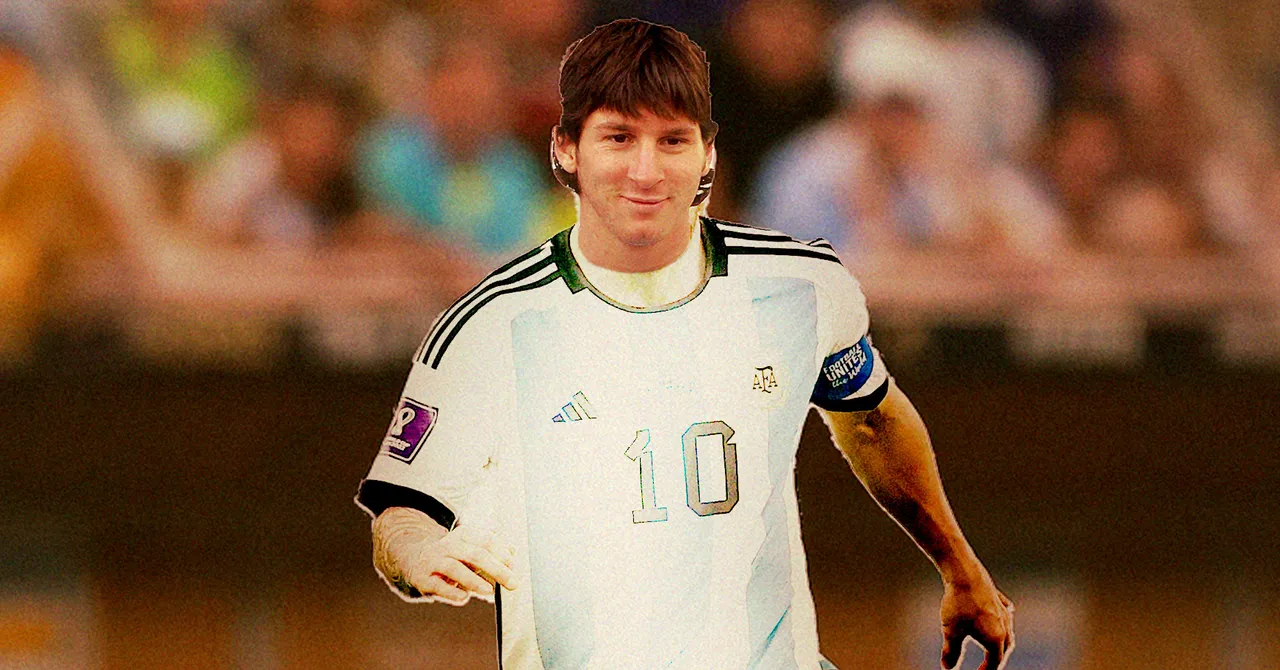
just a little later In the aftermath of Argentina’s defeat to France in the round of 16 during the 2018 World Cup in Russia, analysts speculated that this might be the last World Cup appearance for the iconic Lionel Messi. It was echoed that, “This must have been Lionel Messi’s last World Cup match,” as one commentator predicted. At just 31, many believed they had witnessed his final moments on the grandest stage in soccer.
But they were mistaken.
Instead, Messi astounded the world by returning four years later to hoist the trophy in Qatar. Now, at 39, he’s back once more. Nevertheless, Messi is no longer the only exception.
Cristiano Ronaldo, aged 41, proclaimed this World Cup as his farewell after Portugal’s round of 16 exit against Spain. Moreover, Neymar from Brazil, now 34, has also declared his retirement from international football, a sentiment echoed by the German national team. Manuel Neuer, 40, joins their ranks. Meanwhile, Guillermo Ochoa, who recently turned 41, will conclude his professional football career this month, marking him as the first goalkeeper to be selected for six World Cup squads.
This World Cup has felt like an extended farewell tour, though for many players, the goodbye took place much later than anticipated.
While definitive global statistics on retirement ages across generations are lacking, evidence indicates a clear trend: players are aging in the sport. A 2019 peer-reviewed study observed that the average age of players in the UEFA Champions League rose from 24.9 in the 1992-93 season to 26.5 in the 2017-18 season. This trend is clearly evident at the upcoming 2026 FIFA World Cup, where eight players aged 40 or older will participate, more than in all previous tournaments combined, including a standout 40-year-old goalkeeper from Cape Verde, Vosinya, who has emerged as one of the tournament’s breakout stars.
Interestingly, this acknowledgment of seasoned players thriving in modern football occurs alongside a rise in young talent, like teen sensation Lamine Yamal, Endrick, and Bara Sapoko Ndiai. The presence of younger players does not imply that soccer is declining; rather, due to late retirements, our soccer populace is simply aging.
Research demonstrates that professional soccer players typically peak in physical fitness in their mid to late 20s, though this varies by position. While physical decline may be gradual, players in their 30s start to exhibit reduced explosive speed and stamina necessary for the high-intensity running that modern football demands.
Long-term research studying Spain’s top players indicates that endurance declines more noticeably among outside defenders, outside midfielders, and forwards—positions reliant on explosive speed. Conversely, central defenders and midfielders sharpen their passing accuracy with age, underscoring that positioning, anticipation, and strategic decision-making can increasingly offset fading speed.
Lionel Messi exemplifies how elite athletes adjust with age. Instead of sprinting after the ball, he now conserves energy, opting to read the game and decide when to engage. According to The Athletic’s reporting, FIFA tracking data reveals that Messi spent 63% of his movements walking at this World Cup, ensuring he has energy for critical moments of the game.
This reflects how advancements in sports science haven’t altered the biology of aging, but have changed how football organizations manage aging athletes. A 2024 review highlighted that increasing percentages of athletes enjoy longer careers, correlating this with more individualized training approaches.
Instead of a one-size-fits-all program, current coaching practices tailor training loads based on players’ injury histories, recovery rates, and physical capabilities. As aging players continue to compete, they capitalize on their experience, leveraging improved decision-making, game intelligence, and an acute understanding of their own limitations.
Source: www.wired.com