


Nvidia Adapts Halos Safety Platform for Robots in Complex Environments
Nvidia is adapting its Halos safety platform, originally developed for self-driving cars, to address the different challenges involved in operating robots. The platform is designed to monitor hardware and software, isolate safety-critical workloads, and help developers identify faults before they affect a robot’s operation.
Continuous monitoring for robot hardware and software
On the software side, Goel explained that the Halos operating system is designed to continuously monitor “every hardware block” and “every software library” to quickly find faults. The system also isolates safety-critical computing workloads to reduce the risk of interference.
Halos includes an Nvidia Holoscan sensor bridge that connects sensor data to safety-related computer processing while making corrupted data easier to identify. The bridge can be integrated into individual hardware components, including microcontrollers and field-programmable gate arrays.
Virtual testing and safety inspections
The Halos package also includes Nvidia simulations for testing robots in virtual environments. An inspection lab program gives robotics companies and other partners a way to receive quick feedback on safety “artifacts” created during robot development.
Why robot safety is different from autonomous-car safety
Adapting Nvidia Halos from self-driving cars to robotics required the company to address different definitions of safety. Goel explained that functional safety in autonomous driving is generally defined similarly across car companies and countries.
Robots, however, can perform very different tasks in very different settings. The safety requirements for a robot vacuum cleaner operating in hallways are not the same as those for a robot forklift moving heavy loads around a warehouse loading dock.
“We had to rethink and do a lot of groundwork to build a programmable platform that gives developers all the hooks to actually define custom safety features, but at the same time we had to make sure we didn’t break the underlying infrastructure that we built,” Goel told Ars. “Because if you give them flexibility, you might lose some control over the stack.”
Robots need safety systems for unpredictable environments
Because robots operate in complex and diverse environments, they also require customized safety features.
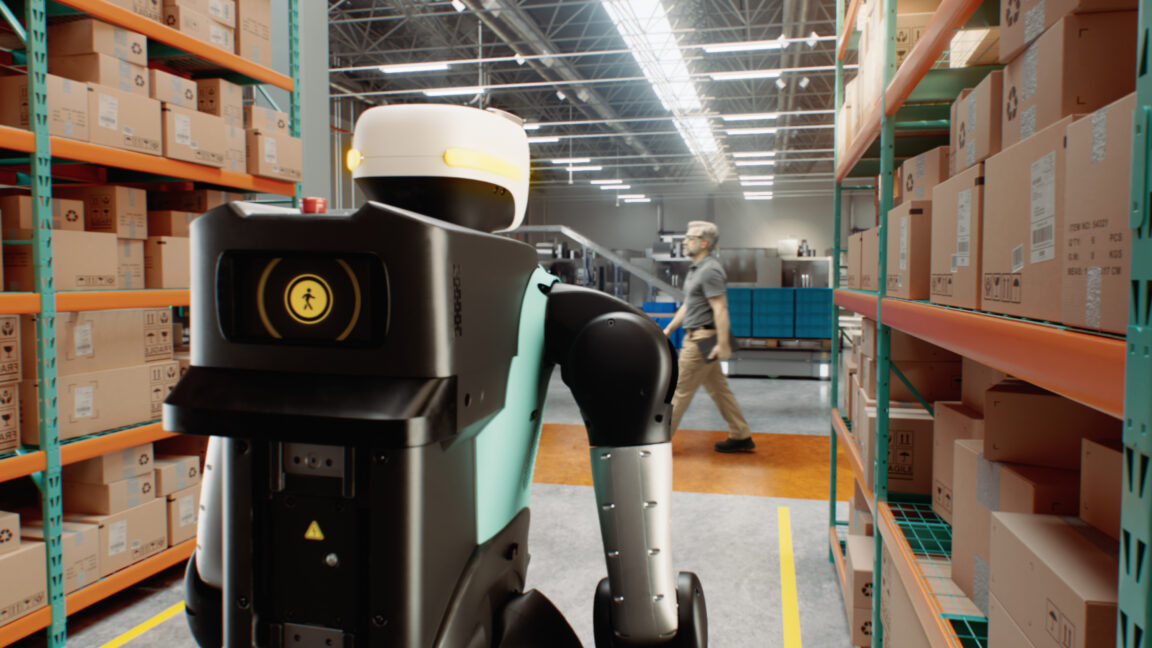
“If you’re a robot running down the aisle at six miles an hour, your senses won’t know what’s in your blind spot or what’s coming around the corner,” Gold says. “The robots’ work almost stops before it’s their turn, because they have no idea what’s going on in all these factories, warehouses, and hospitals. These are unstructured environments, and things can come from anywhere.”
Source: arstechnica.com