


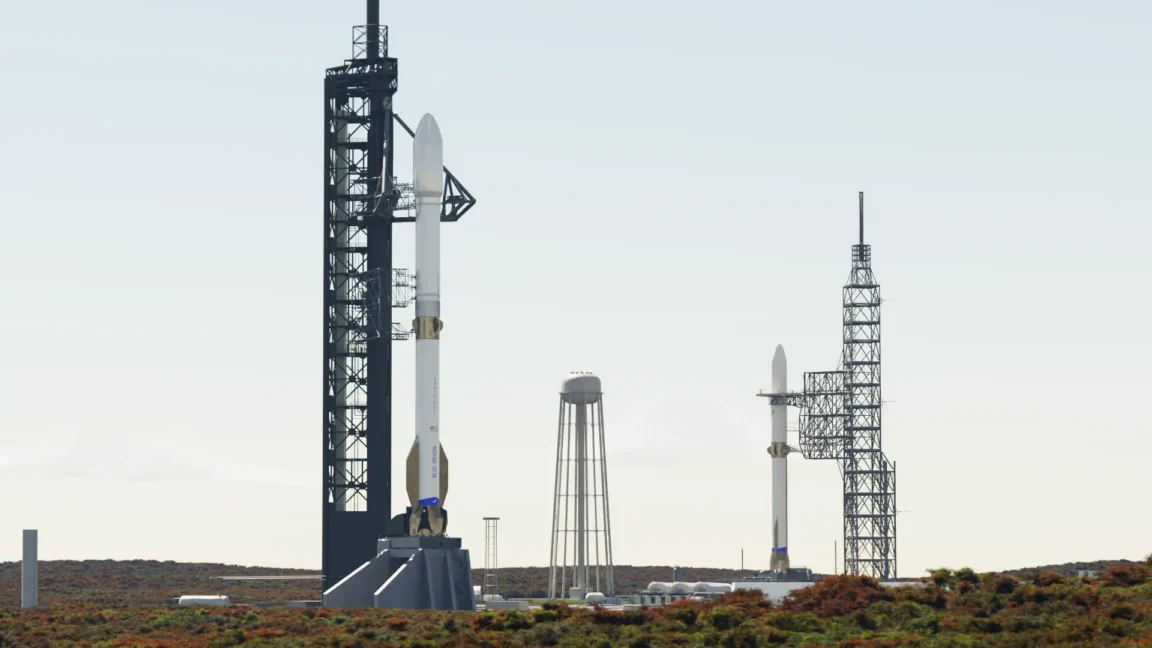
ArianeGroup decides to keep MaiaSpace operating despite heavy losses. ArianeGroup has decided not to dissolve its subsidiary MaiaSpace after the rocket startup reported a net loss of €37.5 million in 2025 and recorded negative shareholders’ equity. European spaceflight report. MaiaSpace’s shareholders’ equity fell from €35.82 million at the end of 2024 to negative €823,375 in 2025. Shareholders’ equity represents the value remaining after a company’s liabilities are deducted from its assets. A negative balance indicates that MaiaSpace owes more than it owns.
Large losses are common among rocket startups … Under French company law, shareholders must decide whether to dissolve a company when its shareholders’ equity falls below half of its share capital. In MaiaSpace’s case, ArianeGroup held a formal meeting on June 25, 2026, and rejected dissolution. The decision allows MaiaSpace to continue developing its Maia rocket ahead of its planned maiden flight, although ArianeGroup’s financial resources are not unlimited.
Firefly Aerospace ramps up Alpha rocket production. Firefly Aerospace says demand for its launch services remains strong and that it is increasing production of its Alpha rockets. SpaceNews coverage. During an earnings call on August 11, Firefly executives said Alpha production has reached an “all-time high” as the company continues developing its larger Eclipse rocket. “I can’t overstate the growing demand for launch capacity right now. I’ve never seen launch capacity so constrained,” Firefly CEO Jason Kim said.
Higher production has not yet translated into more launches … Kim said that “the majority of the 2027 manifesto is already sold out,” although he declined to disclose how many missions are included. When asked about Firefly’s launch plans for next year, he said, “I’m not going to talk about 2027 guidance.” The Alpha rocket has completed only seven launches since its debut in September 2021.
Virgin Galactic is preparing to name its next-generation spacecraft. Virgin Galactic is nearing the announcement of a name for its next-generation spacecraft, which is designed to carry customers on suborbital spaceflights, Ars Technica reports. The company completed structural assembly of its first new spacecraft, Delta 1, earlier this year and moved it from an assembly hangar to a testing and launch hangar in Arizona. Like SpaceShipTwo, the Delta spacecraft is designed to carry up to six people.
Source: arstechnica.com