


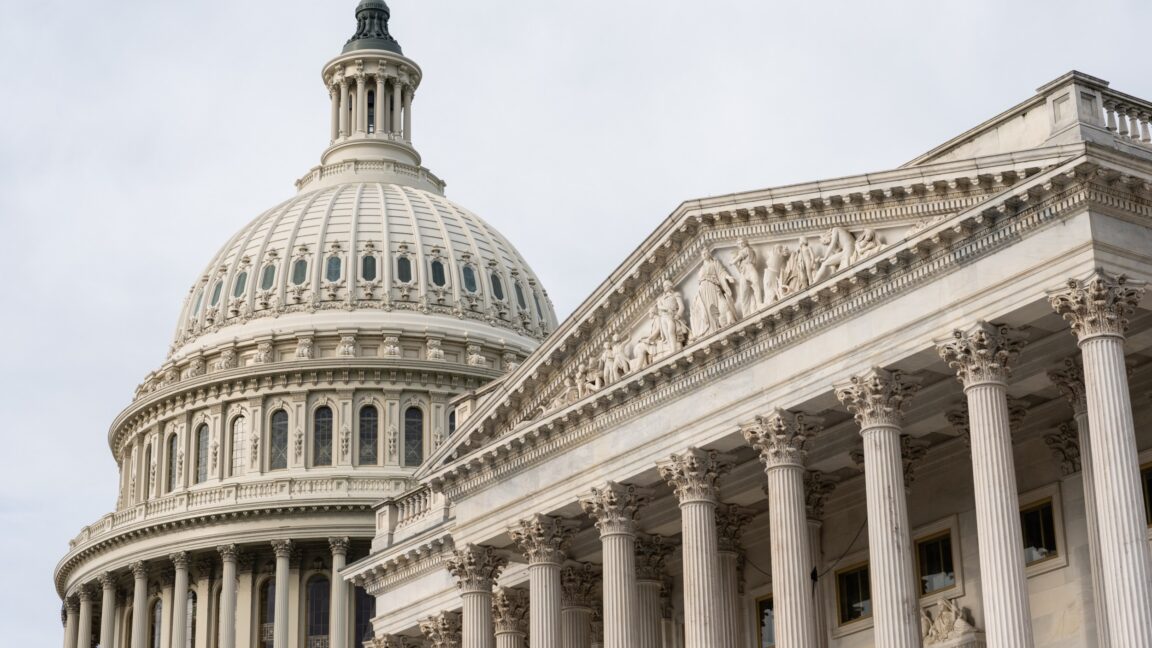
The U.S. House of Representatives passed a temporary government funding bill Tuesday, extending federal operations through early December and averting a potential government shutdown ahead of the midterm elections. The measure now requires President Trump’s signature, which is widely expected.
Short-term spending bills have become a common feature of the federal budget process, as lawmakers often struggle to reach agreement on a full-year budget. Opposition within the House Republican caucus blocked efforts to advance an independent funding measure, prompting the chamber to adopt the version previously approved by the Senate.
For scientists and their supporters, the Senate-passed spending bill delivered an important victory. The measure, which the Senate approved in early August, includes language blocking the Office of Management and Budget (OMB) from implementing proposed rules that would give political appointees broad control over federal science funding and the authority to cancel research grants at any time.
The proposed OMB rule had drawn strong criticism from scientific, medical, and public health organizations, which warned that it could politicize research funding and undermine scientific independence. The Senate provision would prevent the OMB from putting the rule into effect before the temporary funding measure expires on December 11.
Senators Patty Murray (D-Wash.) and Susan Collins (R-Maine) are believed to have helped secure the language in the budget agreement. Although the provision is not a permanent safeguard, it indicates that lawmakers are resisting efforts to give the OMB and other federal officials expanded control over government spending and research grants.
The funding bill passed the Senate by a 90-6 vote and the House by a 370-48 margin. Most opposition reportedly centered on other parts of the legislation, suggesting that similar protections for federal science funding could be included in future budget agreements without triggering significant resistance.
Source: arstechnica.com