


Researchers have found that certain diets commonly associated with weight gain can improve the response to immune checkpoint inhibitors in mice. The study suggests that cancer treatment outcomes may depend not only on the composition of the gut microbiome, but also on the foods that support those bacteria.
“There is a synergistic relationship between the bacteria present in our gastrointestinal tract and the food we eat,” said Daniella Quayle, an associate professor in the Department of Physiology and principal investigator at the Rosalind and Morris Goodman Cancer Institute.
“Even if you have the right composition of gut bacteria, the foods you eat to feed those bacteria can determine whether you respond to treatment or not,” said Dr. Uzra.
Uzula co-led the study, which examined how diet affects the effectiveness of immune checkpoint inhibitors. These widely used immunotherapy drugs help the immune system recognize and attack cancer cells. Other senior researchers included McGill University scientist Logan Walsh and CR-CHUM collaborators Bertrand Luthi and Ariel Elkrief. The study was published in Nature.
Why some unhealthy diets produced surprising results
One of the most unexpected findings was that some diets associated with weight gain appeared to make immunotherapy more effective. The result challenges simple assumptions about the relationship between nutrition and cancer treatment.
“Our findings were surprising because they highlighted the benefits of some obesogenic diets,” the researchers said. “This shows that the relationship between diet and cancer treatment is more complex than the simple message of eating healthy and exercising.”
However, the researchers emphasized that the findings do not encourage cancer patients to adopt diets that promote obesity. Excess weight carries significant health risks, and the study does not show that adopting such a diet would improve cancer treatment in humans.
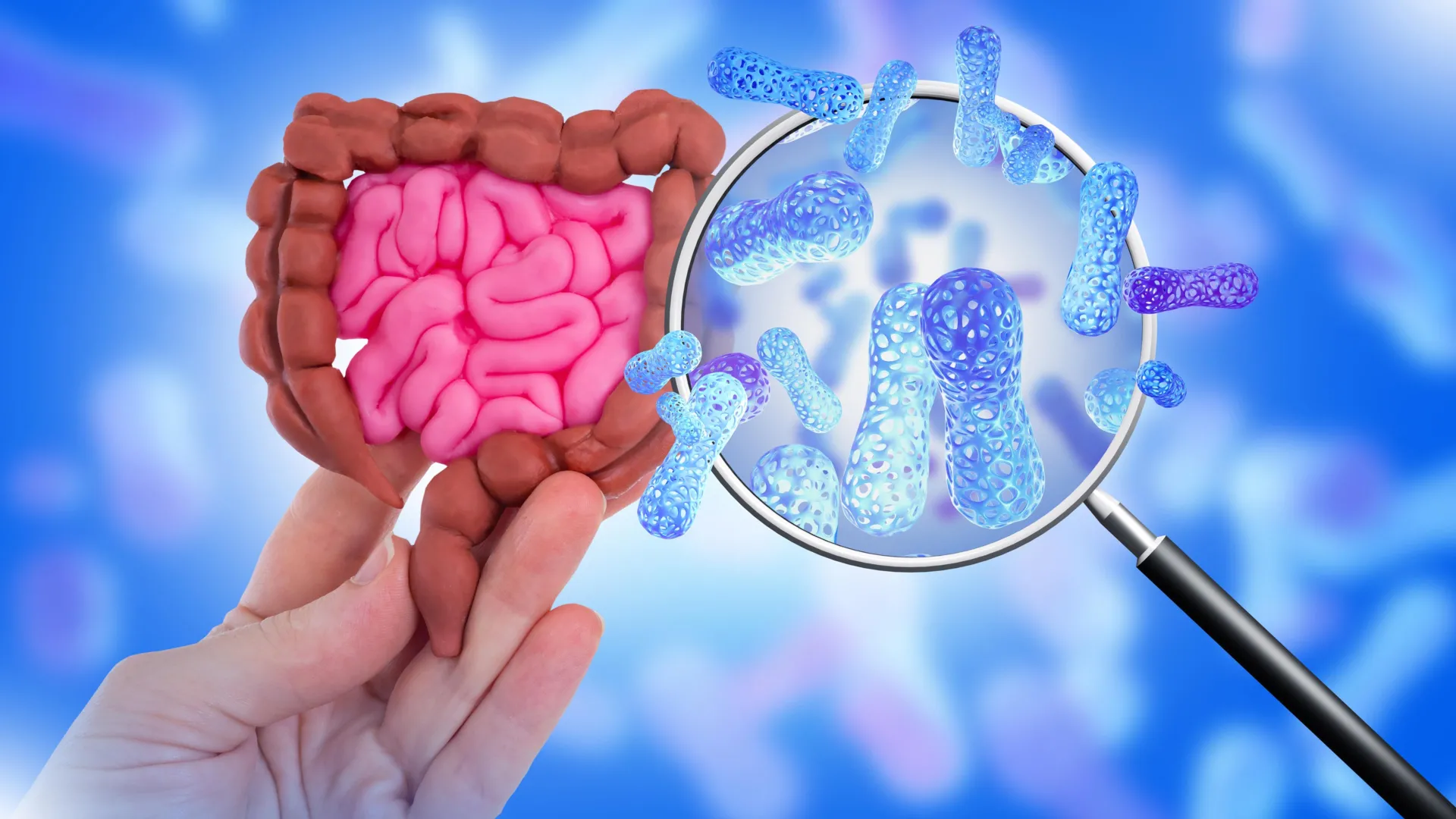
Instead, the team is investigating how different foods affect the gut microbiome, the community of trillions of bacteria living in the digestive system. Understanding the mechanisms that improve treatment response could eventually help researchers develop safer ways to make cancer immunotherapy more effective.
A possible explanation for the cancer “obesity paradox”
The study grew out of a long-standing mystery in cancer research known as the “obesity paradox.”
Obesity is generally associated with a higher risk of developing cancer and dying from the disease. However, some studies have found that cancer patients with a higher body mass index (BMI) may respond more favorably to immune checkpoint inhibitors.
To investigate this apparent contradiction, the researchers tested 12 different diets in mice. Some diets associated with obesity improved the animals’ response to immunotherapy, even when the diets were provided for relatively short periods.
The findings suggest that the apparent treatment benefits associated with obesity may not be driven primarily by excess body weight. Instead, they may result from the combined effects of diet and gut bacteria on the immune system.
By identifying how these interactions influence cancer treatment, researchers hope to find ways to reproduce the beneficial effects without exposing patients to the health risks associated with obesity.
Study details and funding
The study, “Diet and microbiome synergy underlies the efficacy of obesity-related immunotherapy,” was conducted by McGill PhD graduates Lysanne Desharnais and Daniela Quail and their collaborators.
Funding came from the Canadian Institutes of Health Research, the Canadian Cancer Society, the Terry Fox Research Institute, the Canadian Foundation for Innovation, and philanthropic supporters including La Vie-en-Rose and the Baczynski Family Foundation.
Source: www.sciencedaily.com