


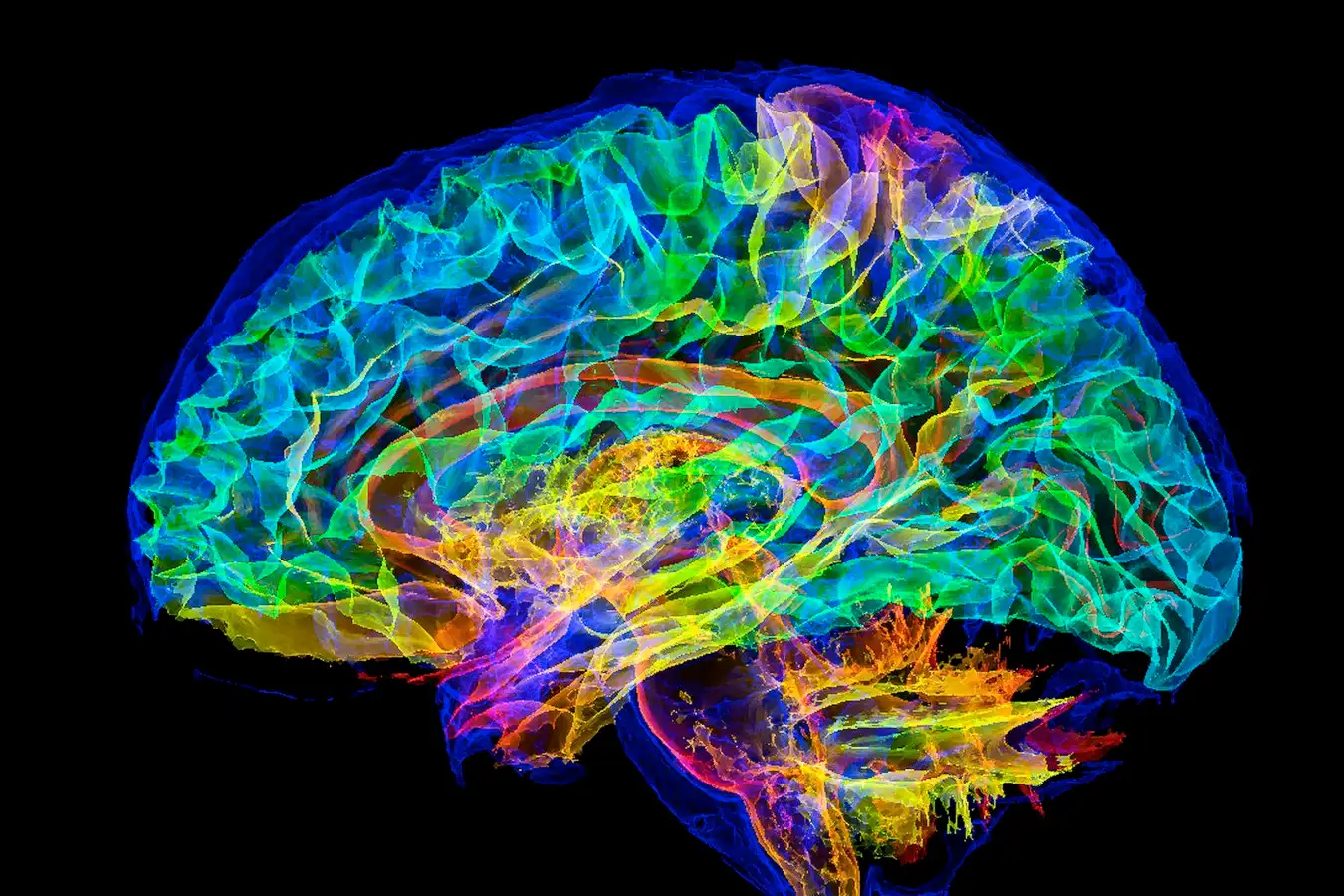
KH FUN/Science Photo Library
Our brains naturally seek shortcuts, often making decisions through subconscious processes. This brain’s inclination to reduce energy consumption may explain our obsession with categorizing mental states, despite the complexities involved.
Consider the onset of adulthood. Legal ages range globally from 16 to 21, causing varied expectations for minors versus adults. Advocates suggest that policymakers integrate typical brain maturation levels—assessed through neuroimaging—into decisions regarding criminal sentencing and driving privileges. While many believe brain development continues until age 25, our special feature on brain evolution clarifies that this notion oversimplifies the process; brain maturation varies significantly across individuals.
Neuroscience is also being utilized to shape policy prematurely. Various types of autism exist, and a recently introduced “severe autism” category aims to identify individuals requiring the most assistance by evaluating IQ, language abilities, and care needs. While this initiative enhances service uptake for this demographic, it may inadvertently exclude individuals who don’t fit stringent criteria. Furthermore, people with language impairments should not be grouped with those with cognitive limitations, as their unique neurological profiles necessitate different forms of support.
“ Neuroscience is under increasing scrutiny to guide policies before the underlying science is robust “
There are growing reservations regarding the use of psychological profiling in the judicial system. Introducing this as a mitigating factor can complicate cases; mental illness often clouds judgment, and aggressive prosecution can exacerbate issues. Additionally, treating mental health as an absolute scientific fact is precarious. Recent studies indicate that while legally relevant, mental conditions shouldn’t be treated with unwavering certainty.
It is human nature to categorize mental processes neatly, and while a future where neuroscience provides clear insights into cognitive states is conceivable, we have yet to reach that milestone.
Source: www.newscientist.com