


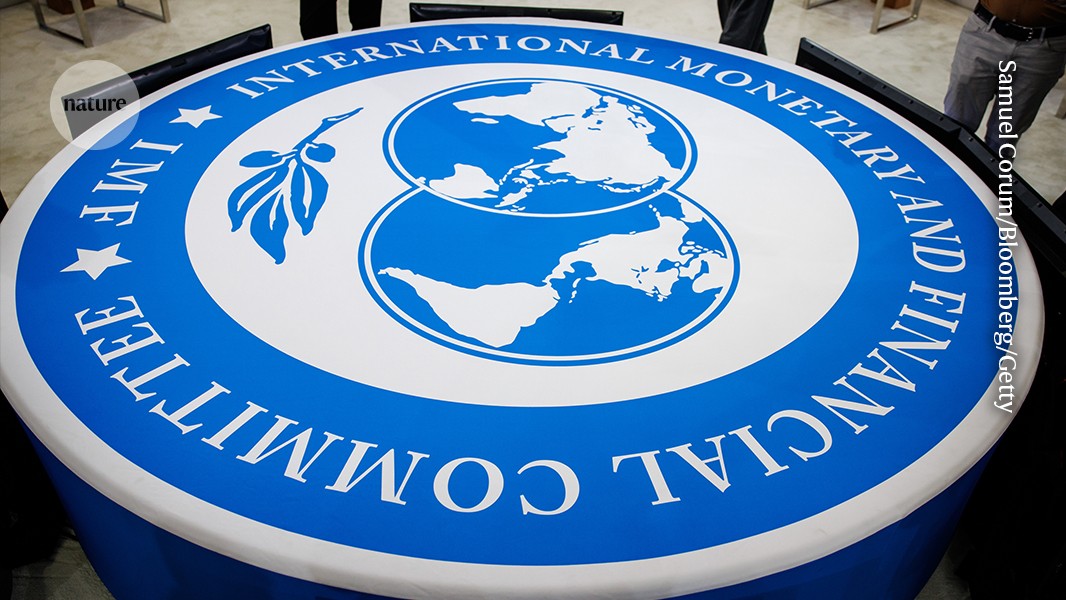
Author of Global Justice Report discusses the proposal for a United Nations-run central bank to replace the IMF.
Credit: Samuel Corum/Bloomberg/Getty
Ambitious and utopian ideas are explored in the latest Global Justice Report by economist Lucas Chancel and 44 co-authors from the Institute for the Study of Global Inequality. The report presents a detailed model on fostering global equality and economic prosperity within planetary limits (see globaljusticeproject.wid.world).
Ending Poverty and Protecting the Planet: Key Debates in Economics
This research is crucial. Since 2020, efforts to reduce poverty have stalled, with wealth inequality on the rise. Additionally, critical planetary boundaries, such as climate change and biodiversity loss, are being exceeded (see unstats.un.org).
Exploring the Science of Inequality
The Global Justice Report emphasizes the need for global wealth and income redistribution via increased taxation targeting the ultra-wealthy. These funds would be managed by a proposed Global Justice Fund, promoting investments in climate action, education, and healthcare, ensuring dividends are equitably distributed. A new global reserve currency and United Nations-managed central bank are also suggested to replace the International Monetary Fund.
Implementing these recommendations could potentially reduce working hours globally, limit warming to 1.8°C, and raise monthly per capita incomes to €5,000 by 2100. While political will is essential, expected resistance from wealthier nations and corporations poses a significant hurdle. Interestingly, the model indicates that even without U.S. participation, substantial progress could still be achieved.
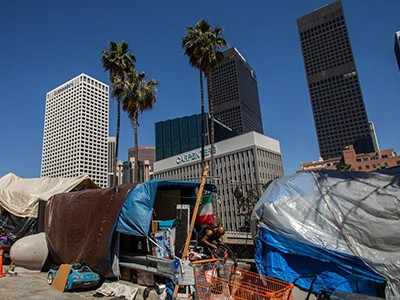
Understanding Why the Wealthy Are Unaffordable for the World
However, the lack of a clear political strategy to implement these findings has drawn criticism from the academic community, particularly as the report challenges traditional economic beliefs linking growth to an increase in inequality.
This research is timely, considering that policymakers, especially in emerging economies, need over $1 trillion annually by 2030 to address climate change impacts and adapt to ongoing environmental damages. Countries with significant historical emissions have faced challenges in securing even fragmented funding toward these goals.

Exploring Inequality: Why Progress is Stalling
Moreover, the Global Justice Report emerges amidst growing global awareness around inequality. From 2000 to 2024, the richest 1% captured 41% of new global wealth, according to a recent G20 report on inequality (see G20 report).
Given the discourse surrounding inequality, G20 authors, led by Nobel laureate Joseph Stiglitz, have proposed establishing an Inequality Panel, akin to the Intergovernmental Panel on Climate Change (IPCC). The consensus on human-driven climate change was achieved through collaborative research, and similar efforts in inequality research could be transformative (see IPCC literature evaluation).
The Complexity of Inequality: Addressing Myths and Realities
The Inequality Commission aims to initiate discussions focusing on the roots and repercussions of inequality and is expected to receive approval from the United Nations in September. Economist Imran Varodia, a founding member, emphasizes the importance of diverse perspectives in these dialogues. While differing viewpoints are valuable, the urgent nature of these challenges necessitates collaborating for consensus understanding.
The authors of the Global Justice Report may, understandably, be labeled as idealists. However, they are contributing significantly to meaningful debates. It is crucial for knowledgeable individuals to engage with the Inequality Commission, as inaction amid escalating social and environmental issues is not a viable option for future generations.
Source: www.nature.com