


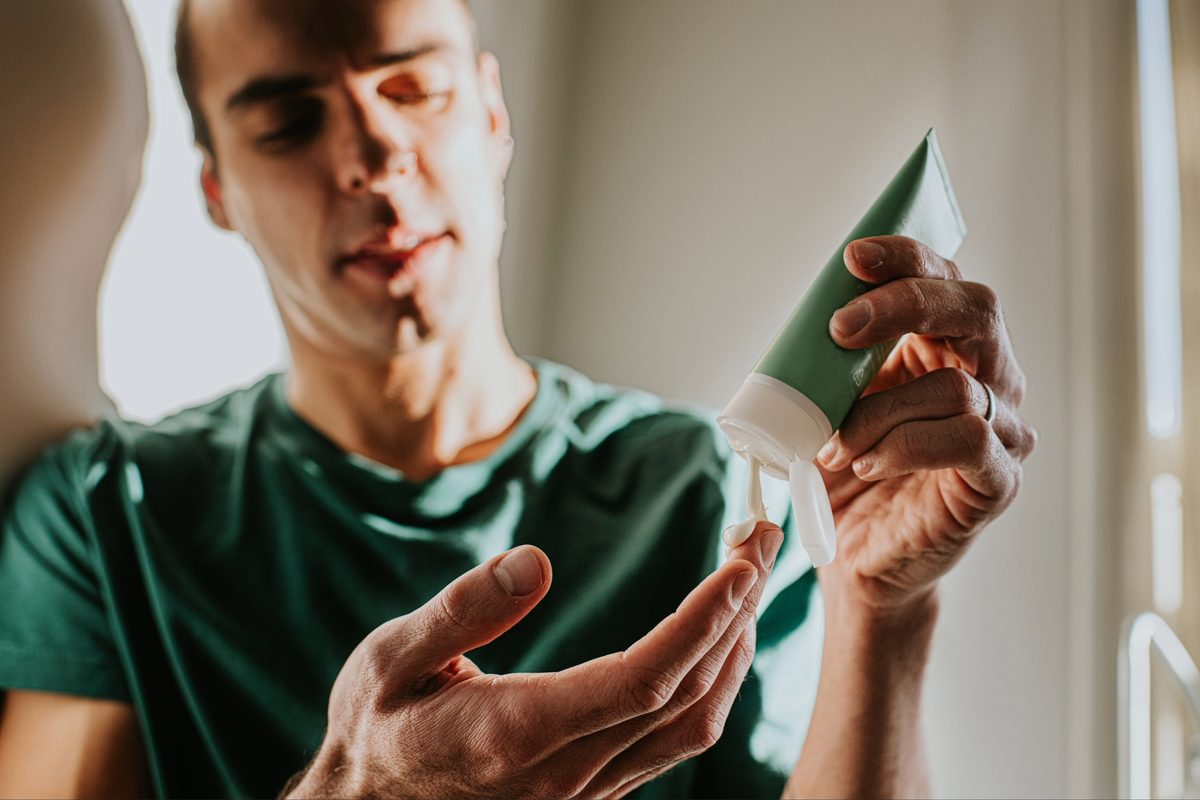
Recent studies indicate a concerning connection between skin care products and rising instances of frontal fibrosing alopecia (FFA)—a condition leading to hair loss at the front of the scalp, predominantly affecting postmenopausal women.
A 2023 study reveals that the use of facial products, particularly moisturizers and sunscreens, is correlated with FFA, based on insights from nine different research studies.
Over the past two decades, the prevalence of FFA has surged, especially in Europe and the United States, prompting researchers to explore environmental influences alongside genetic and hormonal factors.
One hypothesis suggests that certain ingredients in leave-on products might penetrate the skin surrounding hair follicles, potentially triggering an immune response that gradually harms the follicles over time.
Nevertheless, establishing a definitive link remains challenging due to the nature and scale of the studies conducted. For instance, two studies from the UK in 2016 and 2017 analyzed a small cohort of individuals with FFA. In the first study, 100 women with FFA reported greater sunscreen use compared to 105 women without hair loss.
Similarly, the second study indicated that 17 men with FFA used sunscreen (and sunscreen-containing moisturizers) significantly more than 73 men without the condition.
While these findings may appear compelling, Thai researchers urge caution. A 2021 survey involving 250 Asian women, including 50 diagnosed with FFA and 100 experiencing extensive hair loss or thinning, indicated that those with hair loss utilized notably more moisturizers and sunscreens compared to control subjects.
However, this type of research can merely show correlations, not causation.
Another possibility is that individuals noticing early signs of hair thinning may become more focused on their appearance, leading to increased use of skin care products, rather than those products being the root cause of the issue.
Environmental factors such as sun exposure could also play a role, with higher sunscreen usage possibly reflecting increased outdoor activity.
A more effective approach to establish a connection would involve a trial randomly assigning individuals without hair loss to either use skin care products or abstain altogether. However, is it ethical to conduct such trials if these products are indeed harmful to hair health?
Currently, experts concur that the evidence is not robust enough to recommend forgoing sunscreen, which is vital for skin cancer prevention.
The British Association of Dermatologists acknowledges that the cause of FFA remains unclear, although genetics, immune system reactions, and hormonal changes may all contribute.
This article addresses the inquiry posed by Alice Carthright from Glasgow: “Does using moisturizer contribute to baldness?”
For any questions, feel free to reach out to us at: [email protected] or connect via Facebook, Twitter or Instagram (please include your name and location).
Explore our ultimate fun facts and discover more incredible science articles.
Read more:
Source: www.sciencefocus.com