


It may finally be possible. After June’s alarming Cyclospora outbreak linked to bagged salads, many consumers are wondering whether lettuce—and other everyday foods—are safe to eat again. Although that outbreak has ended, foodborne illness concerns continued through the summer of 2026, including a series of recalls involving Salmonella.
The FDA and CDC have investigated Salmonella outbreaks and recalls involving products sold in multiple states, including jalapeño peppers, granola, dog food, and alfalfa sprouts, which have also been linked to E. coli concerns. One of the most familiar foods affected by recent recalls is the staple found in many refrigerators: the egg.
The recalled eggs came from a single supplier, Midwest Poultry Service, and were sold under several brand names, including Kroger and Simple Truth. The July recall was limited to Kroger stores in Texas, but checking your carton’s brand, lot number, and expiration date is still a smart food-safety habit.
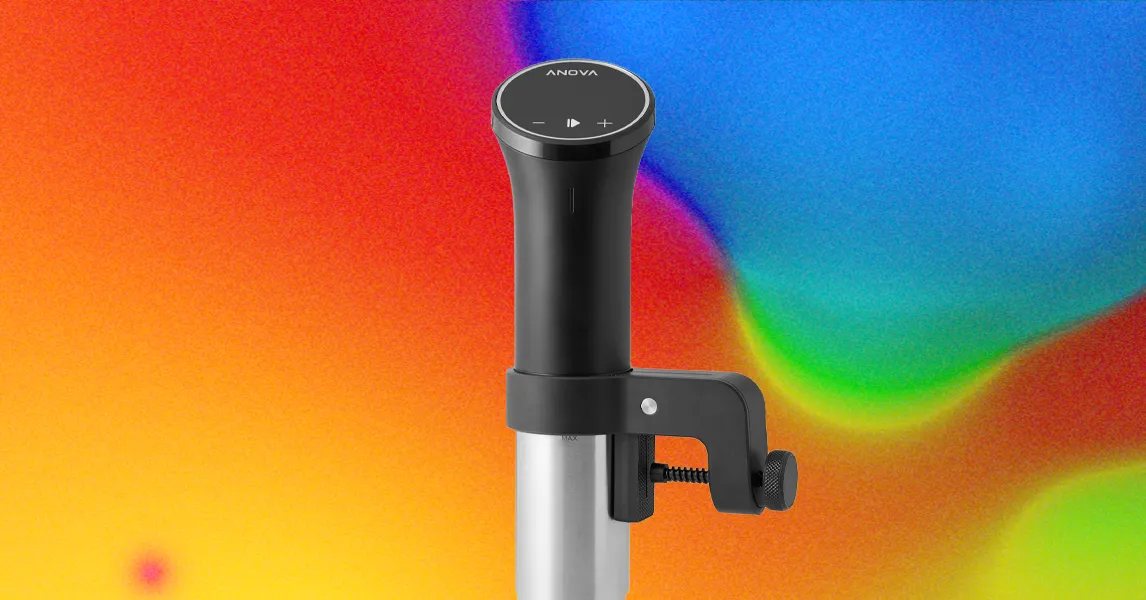
With guidance from two infectious-disease specialists, I tested a simple method for reducing the risk of Salmonella in eggs. The technique is designed for eggs used in raw or lightly cooked recipes, such as hollandaise sauce, mayonnaise, and pasta carbonara. It requires an immersion circulator, a pot of water, and roughly 90 minutes.
Are all eggs at risk of Salmonella?
Salmonella can cause fever, stomach cramps, diarrhea, nausea, and vomiting. Eggs have long been associated with Salmonella outbreaks, particularly those caused by Salmonella enteritidis.
“Eggs remain one of the foods most commonly associated with foodborne illness outbreaks,” says Alan Balbin, director of infectious diseases at Catholic Health’s St. Francis Hospital and Heart Center in Roslyn, New York.
Chickens can carry Salmonella without appearing sick. The bacteria may contaminate an eggshell through contact with feces or enter the egg before the shell forms. Infected hens can deposit Salmonella inside the egg through their reproductive systems.
It is impossible to tell whether an egg contains Salmonella by looking at it. The bacteria can spread among poultry through rodents, wild birds, contaminated feed, and other environmental sources. According to estimates cited by the USDA, approximately one in every 20,000 eggs may be contaminated.
The USDA introduced additional egg-safety requirements in an effort to reduce contamination, but no food-safety system eliminates risk entirely.
To reduce the risk of food poisoning, refrigerate eggs at 40 degrees Fahrenheit or below, wash your hands before and after handling them, and avoid cross-contamination with other foods. Cooking eggs until both the whites and yolks are firm is the safest option. As Balbin explains, Salmonella is generally not a concern when eggs are “really cooked through the yolk and white.”
The safest way to use eggs in raw recipes
The challenge comes when eggs are used raw or lightly cooked. Mayonnaise, aioli, eggnog, royal icing, hollandaise, and some carbonara recipes rely on eggs that may not reach a temperature high enough to kill Salmonella. That can be especially concerning when children prepare food without washing their hands properly.

Photo: Lisa Abeler
Cartons of pasteurized liquid eggs are widely available, but many contain only egg whites or are not suitable for recipes that require a whole egg. Pasteurized shell eggs are another option, although they may cost more and are clearly labeled on the carton.
If pasteurized shell eggs are unavailable, you can pasteurize eggs at home by carefully holding them in a water bath at approximately 130 to 140 degrees Fahrenheit for an extended period. The process requires precise temperature control: overheating can cook the egg, while insufficient heat may not reduce Salmonella risk adequately. For the safest results, follow a tested food-safety procedure and use a calibrated immersion circulator.
Source: www.wired.com