


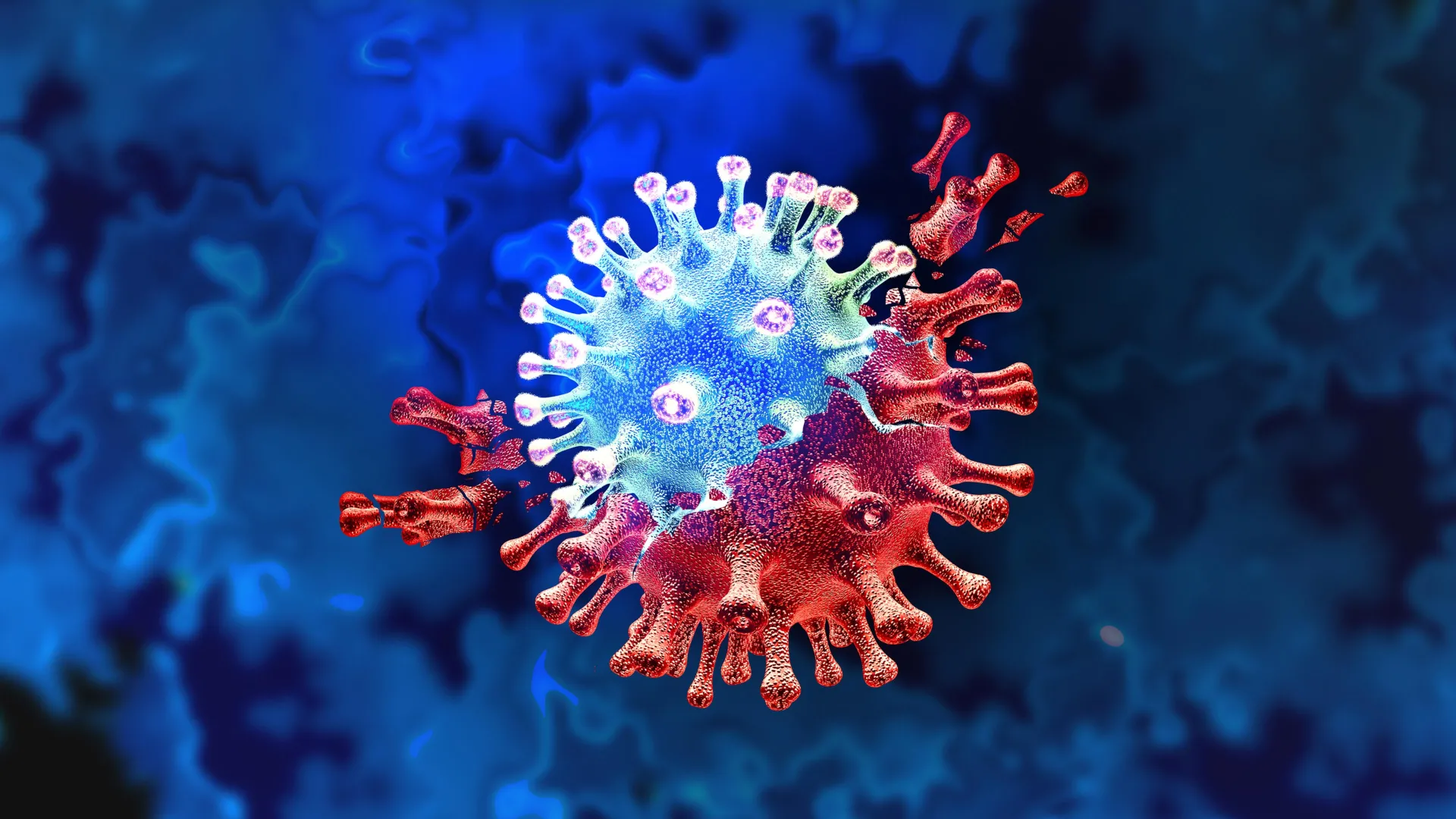
Dormant viruses that remain in the body for years are common. Epstein-Barr virus (EBV), cytomegalovirus (CMV), and herpesviruses often cause no symptoms. However, growing evidence suggests that when these latent viruses reactivate, they may contribute to autoimmune diseases, long-term inflammation, and other chronic health conditions.
Researchers at Boston Children’s Hospital and collaborating institutions have found that COVID-19 may reactivate certain dormant viruses in hospitalized patients. Published in Nature, the study involved 15 biomedical research institutions across the United States. The findings offer new insight into how severe COVID-19 affects the body and may help guide future strategies to prevent or treat viral reactivation.
Researchers track dormant viruses during COVID-19
Ofer Levy, MD, a physician-scientist and director of the Precision Vaccines Program (PVP) at Boston Children’s Hospital, served as the institution’s principal investigator for the National Institutes of Health (NIH)-funded study.
The research followed 1,154 patients at 20 biomedical research hospitals across the United States. Its goal was to identify biomarkers linked to COVID-19 severity and patient outcomes. Using genome sequencing, researchers searched for evidence that latent viruses had become active again.
Although a viral infection may remain inactive for years, dormant viruses can sometimes reactivate when the body experiences significant stress, inflammation, or changes in immune function.
“This is the largest and most comprehensive biomarker study of coronavirus disease (COVID-19), tracking more than 1,000 patients for one year, collecting more than 200,000 samples, and generating more than 1 billion data points for this public resource,” said Joan DeLay Arce, PhD, who leads the PVP Data Management and Analysis Core and directs the study’s Clinical Data Coordinating Center.
11 dormant viruses reactivated during hospitalization
During the first 40 days of hospitalization, researchers identified evidence of reactivation involving 11 viruses. The most frequently detected included Epstein-Barr virus, herpes simplex virus type 1, cytomegalovirus, and viruses from the Anelloviridae family.
One finding stood out in particular: the reactivation of Anelloviridae, a group of viruses believed to be present in approximately 90% of the population. Although these viruses remain poorly understood, previous research has linked them with long-term disability and persistent symptoms following COVID-19.
“This association with long COVID is an interesting finding, as millions of people around the world suffer from this chronic condition,” Dr. Levy said. “New insights into the molecular and viral factors associated with long COVID could improve our understanding of the disease and ultimately lead to better diagnosis and treatment.”
Inflammation may trigger viral reactivation
Analysis of blood samples revealed an unexpected pattern involving Epstein-Barr virus and cytomegalovirus. These viruses appeared to reactivate in response to inflammation rather than solely because the immune system had become suppressed.
The researchers say this finding challenges the traditional belief that chronic viral reactivation is primarily caused by immunosuppression. Instead, the results suggest that dormant viruses may become active during severe illness, including in people whose immune systems appear to be functioning normally, particularly when systemic inflammation is high.
“Although many people no longer think COVID-19 is a serious problem, some estimates suggest that up to 50,000 Americans could die from COVID-19 during the 2025–2026 respiratory illness season, while more than 10 million U.S. adults may experience long COVID,” Dr. Levy said. “We need to help these patients recover with the best possible outcomes.”
He added that another coronavirus pandemic could occur in the future, making it important to study the lessons learned from COVID-19 and improve preparedness for future outbreaks.
Researchers seek better treatments for viral reactivation
The research team plans to investigate how the immune system responds to reactivated viruses throughout the course of COVID-19. The researchers hope to identify effective treatments and determine when interventions may be most beneficial.
Other Boston Children’s Hospital researchers involved in the study include Jing Chen, MD; Anne-Marie Hoch, MD; Al Ozonoff, PhD; Kinga Smolen, PhD; and Hanno Steen, PhD.
Source: www.sciencedaily.com