


Would You Trust a Humanoid Robot With Your Household Chores?
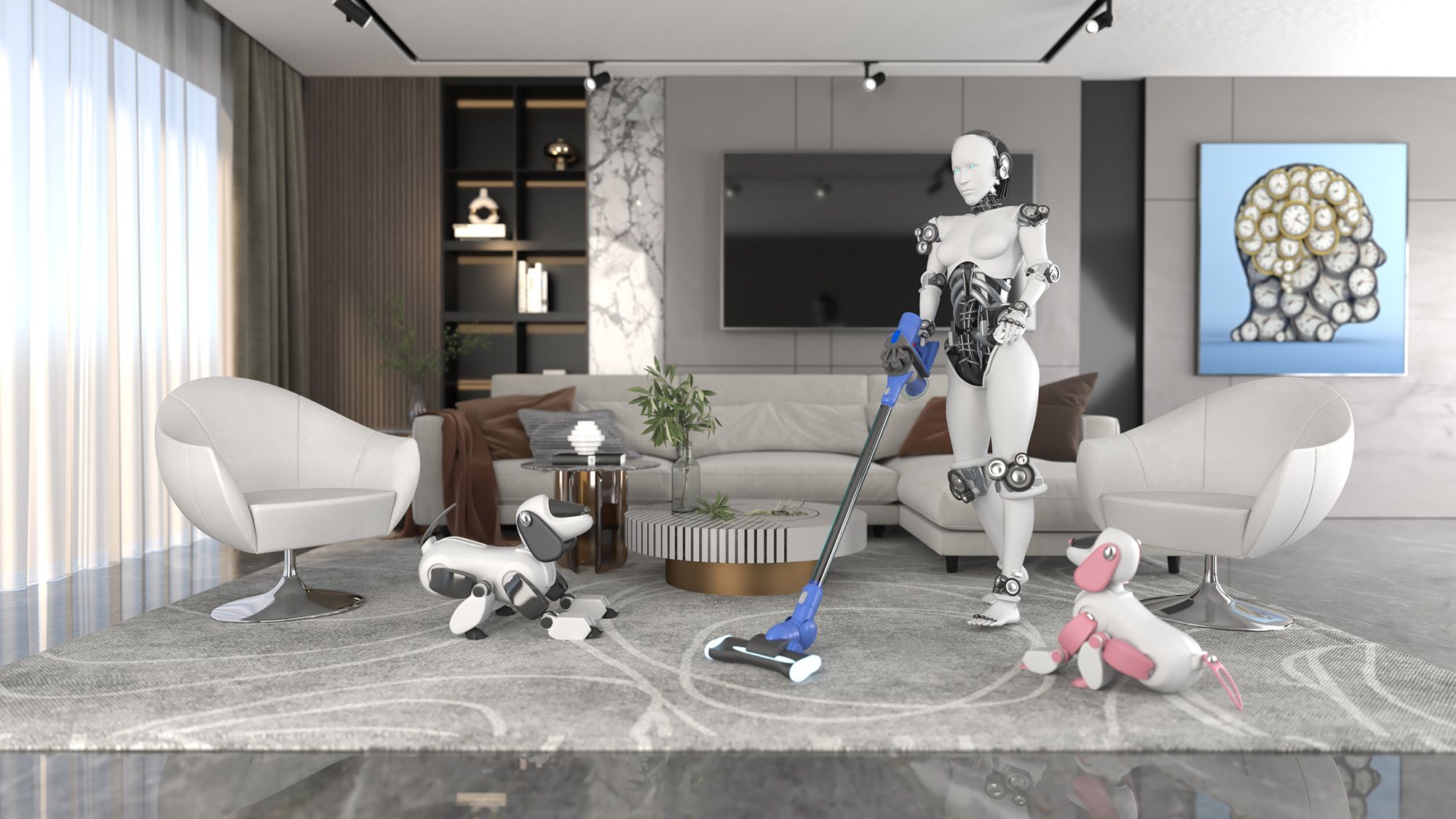
Humanoid robots that fold laundry, load the dishwasher or vacuum the floor once sounded like something from The Jetsons. Today, robotics companies are competing to develop machines capable of navigating everyday environments and handling household tasks.
As robots become more advanced, the prospect of having one take over household chores is becoming increasingly realistic. But just because a robot can do a job does not mean people are ready to welcome one into their homes.
Would people trust a robot to do the housework?
A recent Live Science reader poll asked whether people would want a humanoid robot to handle their housework. The responses revealed how appealing—and controversial—the idea of a robot housekeeper could be.
As of September 15, more than 600 people had responded. Forty-two percent said they would have a robot do their housework.
The comments showed that some readers welcomed the idea, while others questioned whether a robot could really replace the person who currently handles household chores. One reader wrote, “I agree, but I don’t think my wife would approve of a robot doing her job.” Another replied, “Good for her. Please take care of the housework for a year and report back.”
The next-largest group, 36% of voters, selected the opposing response: “No, I don’t trust my cooking (or my data).”
Household robots still have practical limitations
Humanoid robots can be taught movements and tasks by building a world model of the environment around them. The technology remains relatively primitive, however, and robots can still be clumsy—even when their mistakes are entertaining.
Some readers were particularly concerned about whether robots would be dexterous enough to dust, move furniture or mop hard floors. One commenter wrote, “I don’t think a robot would be dexterous enough to do the chores of dusting. It might vacuum, but moving furniture would probably be slow and clumsy.”
Other readers questioned whether humanoid robots could wash floors, move furniture out of the way and handle the everyday details involved in cleaning a home.
Plant care was suggested as another possible use. One reader said that a robot equipped with a moisture meter and a large horticultural database could potentially be a better option for watering plants in a large commercial nursery.
Privacy is another major concern
Beyond mechanical limitations, readers also raised concerns about privacy. A robot that moves through a home could potentially collect information about its surroundings, making data security an important consideration as these machines become more capable.
Privacy risks associated with household robots appear to be one of the main concerns surrounding the deployment of these machines.
Would you let a humanoid robot do your chores?
The poll suggests that interest in household robots is strong, but trust remains limited. While some people would welcome help with vacuuming, laundry or plant care, others are not yet convinced that humanoid robots are capable, reliable or private enough for life inside the home.
Source: www.livescience.com