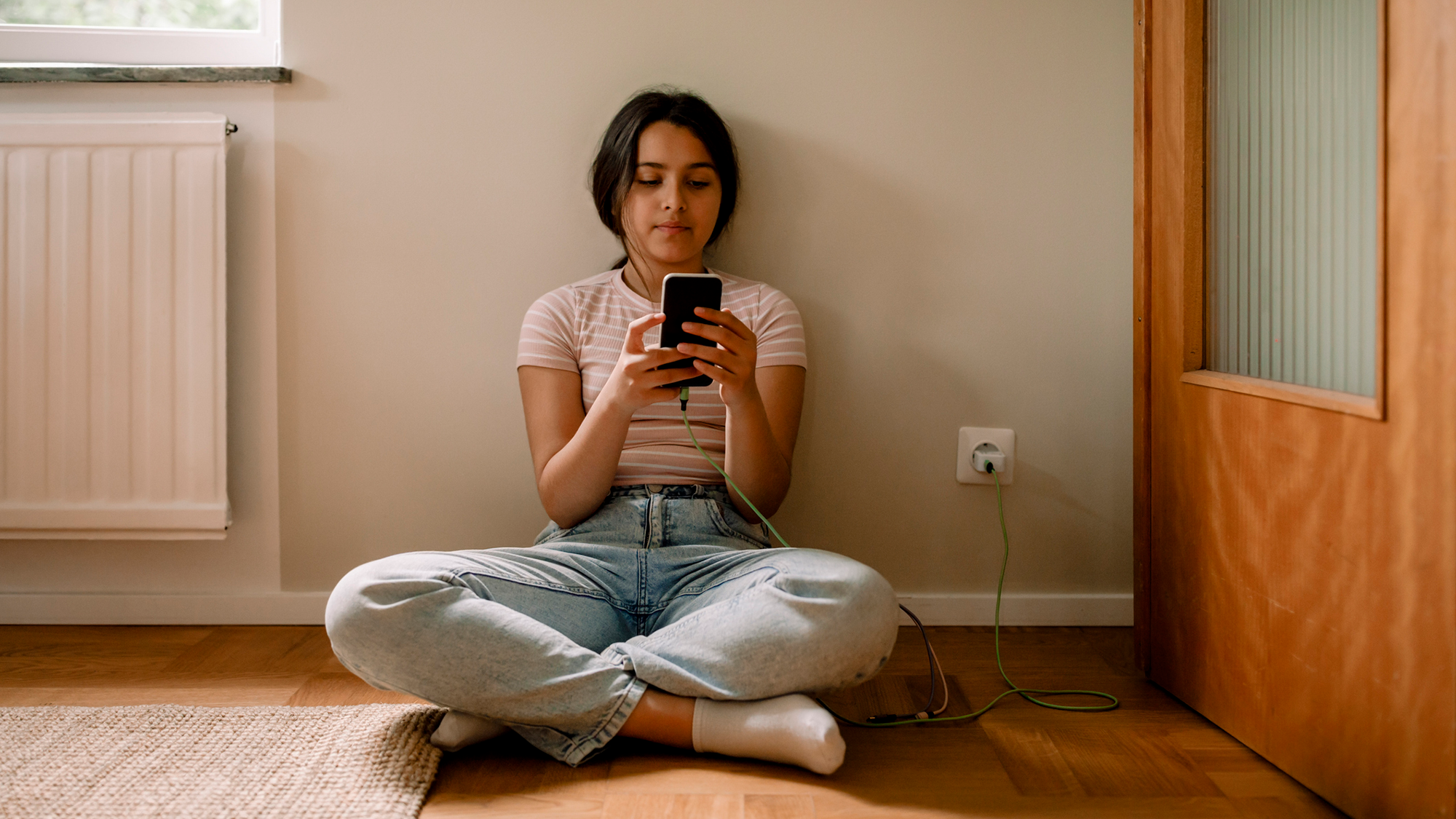
Could Social Media Bans Protect Children Online?
Concerns about children’s social media use are growing as governments, parents and schools look for ways to reduce online risks. Potential threats include cyberbullying and sexual harassment. Experts have also raised concerns about misinformation, including misleading medical and health content and claims that oversimplify symptoms associated with conditions such as ADHD.
One proposed solution is to prevent children below a certain age from accessing social media platforms altogether. Australia introduced this approach with legislation requiring social media platforms to prevent users under 16 from creating accounts. The UK has also passed a similar under-16 social media ban, which is scheduled to take effect in spring 2027. Meanwhile, several US states have introduced restrictions on social media use by minors, although no nationwide federal ban has been enacted.
To find out how readers view age-based restrictions, Live Science asked readers whether they thought social media bans would protect children.
More than 150 people participated in the poll, which was published on August 16. As of August 18, the results showed a clear divide between the two leading responses. Thirty-six percent of voters selected, “No, there isn’t enough enforcement, and young people will find other ways to access the internet.” Meanwhile, 29% said, “Yes, I believe this will benefit young people’s well-being.” Another 21% opposed a blanket age restriction, arguing that bans could create unintended consequences and that broader changes to social media platforms may be more effective.
Reader comments expanded on the poll responses. One commenter argued that social media cannot simply be eliminated and that policymakers should focus on developing more effective alternatives rather than relying solely on bans.
Another reader suggested that social media bans could encourage teenagers to look for workarounds. “We were all kids once,” the commenter wrote, questioning how effective strict rules would be if young people were determined to access social media.
Other readers focused on the practical challenges of enforcing an under-16 social media ban. One commenter questioned how platforms could verify users’ ages without requiring personal information, such as government identification. They also raised concerns about data security and the privacy risks associated with collecting sensitive information from children and families.