


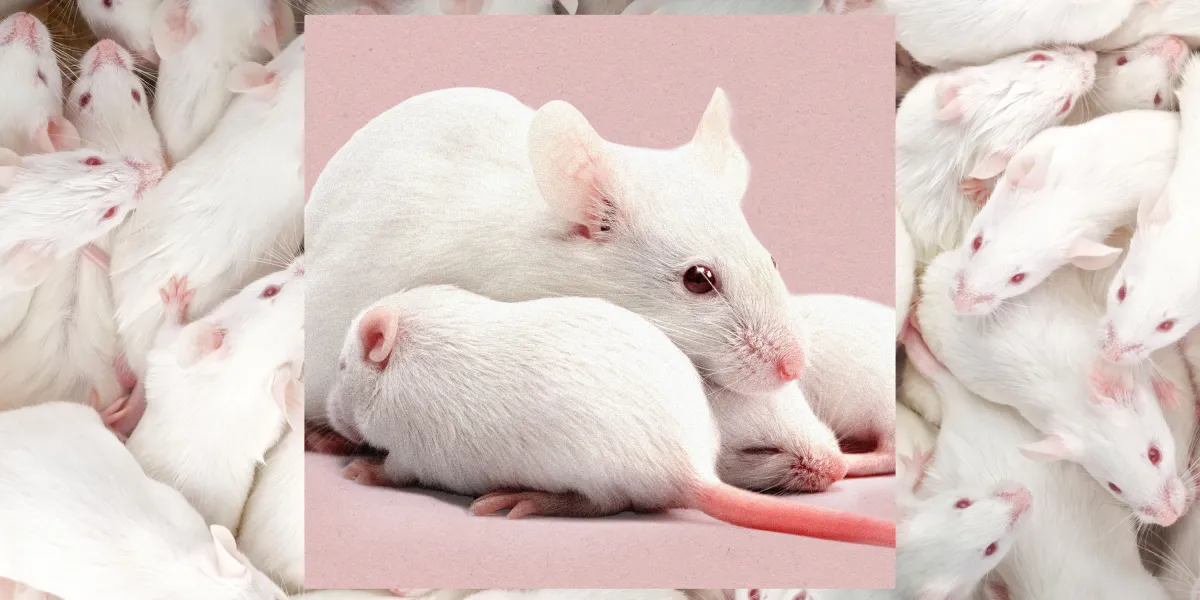
This breakthrough could reshape how scientists understand reproduction, according to Takashi Ishiuchi, a reproductive biologist at the University of Yamanashi and co-leader of the study. The findings were published as a preprint on bioRxiv earlier this month and have not yet undergone peer review. “There is a common assumption in reproductive biology that reproduction requires both a female and a male,” Ishiuchi said. “Our work suggests that this concept may need to be reconsidered.”
Ishiuchi and his colleague Shogo Matoba of the RIKEN BioResource Research Center in Ibaraki Prefecture hope the technique could also support endangered-species conservation, particularly when only a small number of animals remain.
“It’s fascinating to watch,” said Ben Novak, chief scientist at the wildlife conservation organization Revive and Restore, who was not involved in the study. “I’m sure this approach could have many applications, especially in conservation.”
Sex change and endangered-species conservation
Ishiuchi and his colleagues drew inspiration from the Okinawa rubble goby, a fish capable of changing sex under certain conditions. When males are absent, females can transition to males and reproduce with other females. The researchers are exploring whether similar biological principles could eventually help overcome reproductive barriers in mammals.
This natural ability to change sex may offer insights for protecting endangered species. There is also precedent for unexpected reproductive outcomes in laboratory research. In 2009, researchers reported that one female mouse was born unexpectedly from a group of 27 clones produced using cells from a male mouse.
When a species reaches critically low numbers, scientists may turn to cloning as a possible conservation tool. However, cloning remains difficult and inefficient, and it produces genetically identical individuals that may be more vulnerable to disease. Even so, cloning has helped conservationists support the recovery of species such as the black-footed ferret and the Przewalski’s horse.
Cloning reproduces an individual’s genes, meaning that cloning a male animal would generally produce male offspring. That limitation could make cloning less useful if only male animals remain in a threatened species.
Professor Ishiuchi is working to address this challenge by modifying chromosomes inside cells. Mammalian DNA is organized into pairs of chromosomes, including one pair of sex chromosomes. These chromosomes are typically XX in females and XY in males.
Source: www.technologyreview.com