


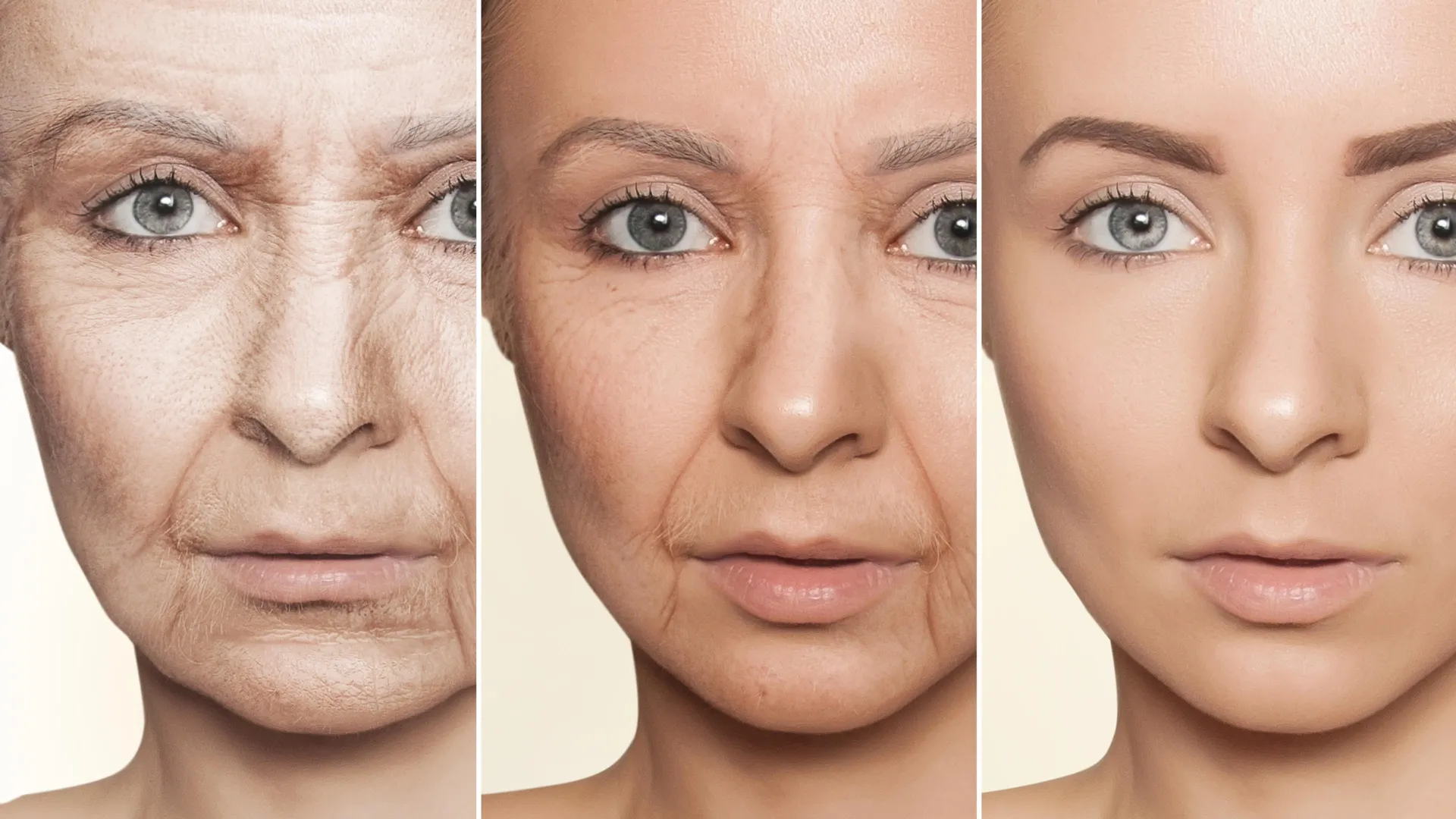
Aging can bring familiar changes, including gray hair, wrinkles, and memory loss. These changes have raised an enduring scientific question: Could some effects of aging eventually be slowed, stopped, or even reversed?
A study involving scientists from Xi’an Jiaotong-Liverpool University, Stanford University, Shanghai Jiao Tong University, and the University of the Chinese Academy of Sciences suggests a possible new avenue for research. In experiments involving older mice, researchers found that a dietary supplement containing plasmalogens—compounds found in sea squirts—improved several signs associated with brain aging.
An unusual source of potential anti-aging compounds
Sea squirts are marine animals eaten in parts of Asia, including Korea, where they are known as meongge (멍게), and Japan, where they are called hoya. They can be eaten raw and contain high concentrations of compounds known as plasmalogens.
Plasmalogens are a type of lipid, or fat molecule, that helps form cell membranes. They occur naturally throughout the human body and are especially abundant in the brain, heart, and immune cells. However, plasmalogen levels generally decline with age.
Lower plasmalogen levels have also been observed in people with neurodegenerative diseases, including Alzheimer’s disease and Parkinson’s disease. This connection prompted researchers to investigate whether restoring plasmalogen levels could help protect the brain from age-related changes.
To explore this possibility, the researchers added plasmalogens to the diets of older mice and examined changes in their behavior, brains, and physical condition.
The results were notable. Mice that received the supplement showed improvements in learning and memory, along with visible changes in their physical appearance.
Professor Lei Fu, the study’s lead author, said: “Our study suggests that plasmalogen may not only halt cognitive decline, but also reverse cognitive dysfunction in the aging brain. Furthermore, older mice given plasmalogen grew new black hair that was thicker and shinier than older mice that were not given the supplement.”
The researchers described the work as the first detailed investigation into how plasmalogens may affect the aging brain in this animal model.
Plasmalogen supplements improved memory in older mice
To assess learning and memory, the scientists used the Morris water maze, a standard laboratory test. In this experiment, mice swim in a pool containing a hidden platform where they can rest.
Mice naturally try to escape the water, so they gradually learn the platform’s location. After several days of training, young mice typically remember where the platform is and swim toward it quickly. Older mice often take longer to find it, reflecting age-related changes in learning and memory.
After five days of training, older mice treated with plasmalogens performed similarly to younger animals. They reached the hidden platform much faster than older mice that did not receive the supplement.
The researchers then examined the animals’ brains to identify possible reasons for the improvement.
They found that mice given plasmalogens had more synapses, and those synapses appeared to be in better condition than those in untreated older mice.
Synapses are junctions where nerve cells communicate. They allow signals to pass through neural networks and are essential for learning, memory, and many other brain functions.
Plasmalogens may help restore connections in the aging brain
Synapses are highly adaptable, particularly early in life. This ability to change and form new connections—known as neuroplasticity—helps the brain learn new information and skills.
As people and animals age, the number and efficiency of synapses can decline. Similar deterioration is associated with neurodegenerative diseases and may contribute to cognitive impairment.
In the experiments, older mice that received plasmalogen supplements appeared to form new neural connections and learn new tasks more effectively than mice fed a standard diet. The findings suggest that increasing plasmalogen levels could help protect synapses from some age-related damage.
The researchers also found a significant difference in brain inflammation between the groups. Mice treated with plasmalogens had lower levels of inflammation in the brain.
Inflammation is a normal part of the body’s immune response, but chronic or excessive inflammation in the brain can be harmful. During aging, immune activity may become dysregulated, potentially damaging nerve cells and disrupting communication between synapses. Persistent brain inflammation is also linked to several neurodegenerative conditions.
As a result, the reduction in inflammation observed in the plasmalogen-treated mice may help explain why they performed better on learning and memory tests.
How might plasmalogens work?
Scientists do not yet know exactly how dietary plasmalogens produce these effects. Professor Fu outlined several possible mechanisms.
“We found that plasmalogens significantly increase the number of molecules that help the growth and development of neurons and synapses in the brain. This suggests that plasmalogens can promote neural regeneration,” he said.
“There is also a growing body of evidence that plasmalogens directly influence the structural properties of synapses. Plasmalogens increase the fluidity and flexibility of synaptic membranes, which can affect the transmission of impulses between neurons.”
Neuroregeneration refers to the repair, regrowth, or restoration of nerve cells and their connections. If plasmalogens support this process, they could help the aging brain maintain or rebuild neural circuits involved in memory and learning.
The potential benefits may not be limited to processes occurring directly in the brain.
Professor Fu suggested that the gut-brain connection could represent another pathway through which plasmalogens affect cognition.
“Several studies have shown that dietary plasmalogens influence microbes in the gut. It has been widely reported that the connection between the microbes in our gut and the brain influences neurodegeneration. It may be plasmalogen’s effects on this connection that cause the improvements in learning and memory seen in this study.”
The gut contains a vast community of bacteria and other microorganisms, collectively known as the gut microbiome. Growing evidence suggests that these microbes can influence brain health through immune signaling, metabolism, and other biological pathways. This two-way communication system is commonly called the gut-brain axis.
Could plasmalogen supplements benefit humans?
Professor Fu has expressed confidence in the findings and said that he takes plasmalogen supplements daily.
“We show for the first time that plasmalogen supplements may be a potential intervention strategy to prevent neurodegeneration and promote neuronal regeneration.
“Oral intake of plasmalogens may be a viable therapeutic strategy to improve cognitive function in older adults.”
However, the findings come from an animal study. Improvements observed in mice do not necessarily mean that eating sea squirts or taking plasmalogen supplements will reverse aging or cognitive decline in humans. More research is needed to determine whether the effects apply to people, what dosage may be effective, and whether long-term supplementation is safe.
Even so, the study highlights an intriguing possibility. Compounds found in edible marine animals could provide scientists with a new way to study brain aging, synapse loss, inflammation, and whether some age-related changes can eventually be reduced or reversed.
Source: www.sciencedaily.com