


El Niño 2026: Global Impacts, Drought Risks and What to Expect Through 2027
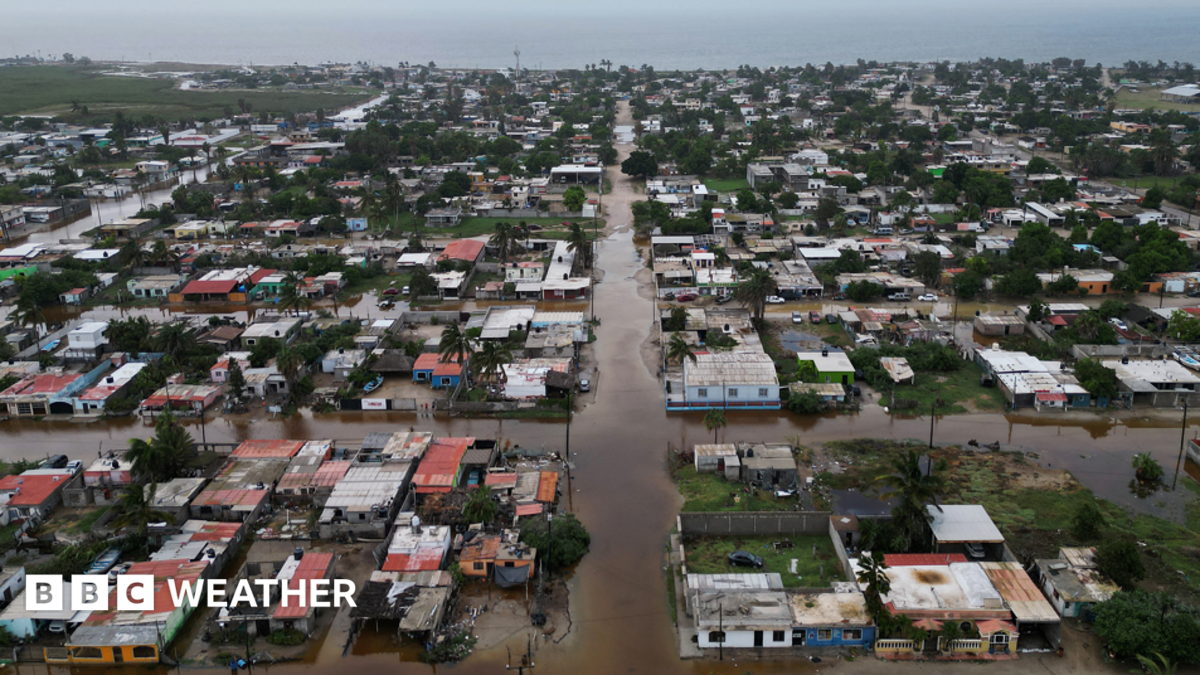
The effects of El Niño are already being felt in many parts of the world, although the most widespread impacts are expected from later this year into 2027.
Why El Niño’s strength does not tell the whole story
The strength of El Niño does not automatically determine the magnitude of its impact in any particular location. Regional effects can vary widely from one event to another.
However, comparisons with previous Super El Niño events reveal several recurring patterns.
Lessons from the 1997–1998 Super El Niño
During the 1997–1998 event, severe droughts affected Southeast Asia, contributing to large-scale peat and forest fires. Parts of East Africa, meanwhile, experienced devastating floods.
The event also helped make 1998 the warmest year on record at the time.
What happened during the 2015–2016 El Niño?
A similar pattern emerged during the 2015–2016 El Niño. Severe drought and wildfires returned to parts of Southeast Asia, while southern Africa experienced its worst drought in decades, triggering a massive humanitarian crisis.
El Niño and tropical cyclone activity
Tropical cyclone activity is another recurring signal. Strong El Niño events typically suppress hurricanes in the Atlantic while increasing activity in some parts of the Pacific. This pattern was also observed in 2026.
Growing concerns about food security
Disruptions caused by drought and flooding have already been reported in several regions, raising concerns about food security in parts of East Africa and the Asia-Pacific region, according to the World Meteorological Organization.
When will El Niño peak?
Forecasts from the European Centre for Medium-Range Weather Forecasts and the National Oceanic and Atmospheric Administration indicate that El Niño is likely to reach its peak in December.
Dr Hausfather said the latest predictions were “astounding” and likely to set a new record for “amazing amounts”.
Source: www.bbc.co.uk