


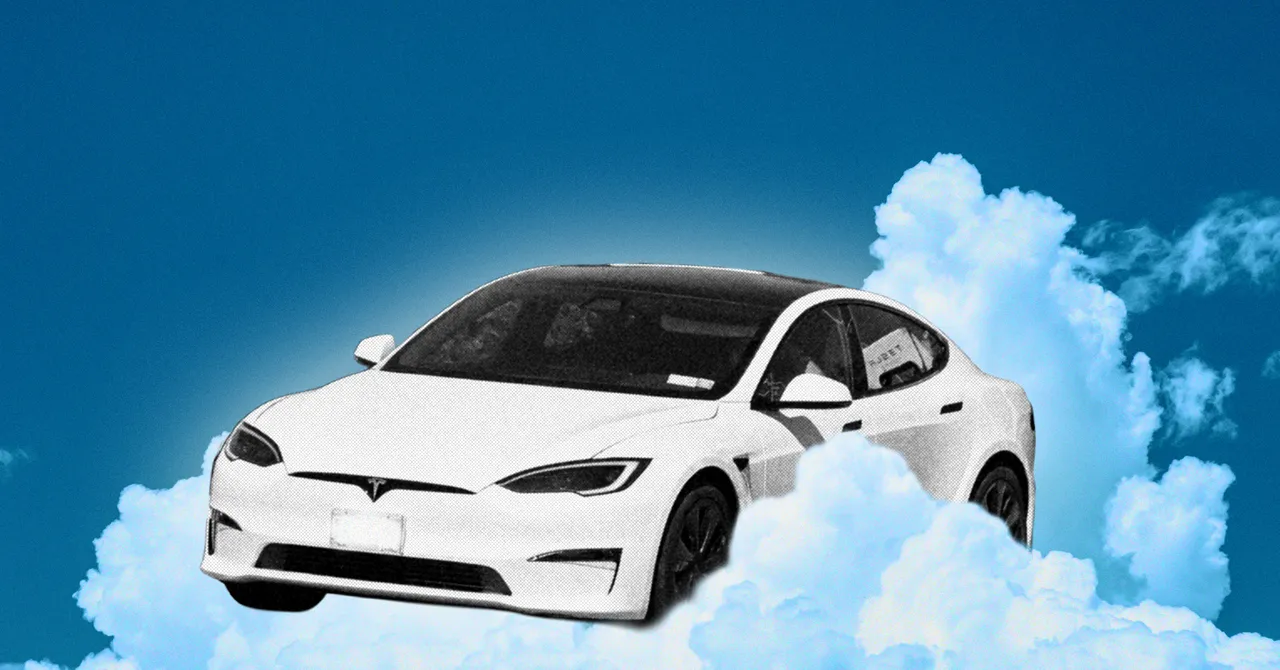
Tesla Roadster 2 Flying Car Faces FAA Approval, Pilot Licensing and Takeoff Restrictions
Tesla’s Roadster 2 may face significant regulatory and practical challenges if it becomes a production flying car, including FAA certification, pilot licensing and restrictions on where it can take off and land.
FAA Approval Could Take at Least a Year
Michael McCormick, a former FAA official who now heads the air traffic management program at Embry-Riddle Aeronautical University, said any aircraft weighing more than about 250 pounds would have to go through an FAA approval process and receive permission to fly in national airspace.
McCormick predicts that obtaining the necessary certification “will take at least a year.” A regular driver’s license would not qualify. Tesla owners operating the Roadster 2 would likely need to obtain a recreational aviation license.
Road-to-Air Takeoffs Could Face Local Restrictions
Taking off and landing the Roadster 2 could create additional challenges. Most states require aircraft to take off from an airport or designated helipad. Road-to-air launches would fall under state and local regulations, and many communities may object to aircraft suddenly entering roads and highways.
That is why “being able to hop in a helicopter and land at your favorite steakhouse and eat steak is pretty rare,” McCormick said. Drivers may only be able to operate the vehicle physically on large private properties.
How eVTOL Aircraft Could Change Urban Transportation
The FAA is currently developing rules, regulations and pilot projects for another type of flying car: the electric vertical takeoff and landing vehicle, commonly known as an eVTOL.
These aircraft use several small electric motors and propellers to carry up to four passengers between 20 and 150 miles, in some cases autonomously. The companies developing the technology envision eVTOL aircraft taking off from small local “vertipads” and helping passengers avoid urban traffic by traveling above it.
The Trump administration launched a limited three-year pilot project this year that allows companies to test the technology in multiple states. It took years for the company to receive federal certification.
Weight Remains a Major Challenge for Flying Cars
The Roadster 2 also faces practical engineering questions. True flying cars have struggled to become reality because of a physics-based conflict at the center of the concept: the weight that makes a car safe and durable on the road also makes it harder to fly.
“Weight is the enemy of airplanes,” McCormick said. “Flying cars haven’t been able to find the balance between power and weight.”
Engineering Achievement Could Still Be Significant
Despite the obstacles, McCormick said he was impressed by Thursday’s demonstration.
“If this goes into production, it will be a really impressive feat of engineering and manufacturing,” he said.
Source: www.wired.com