


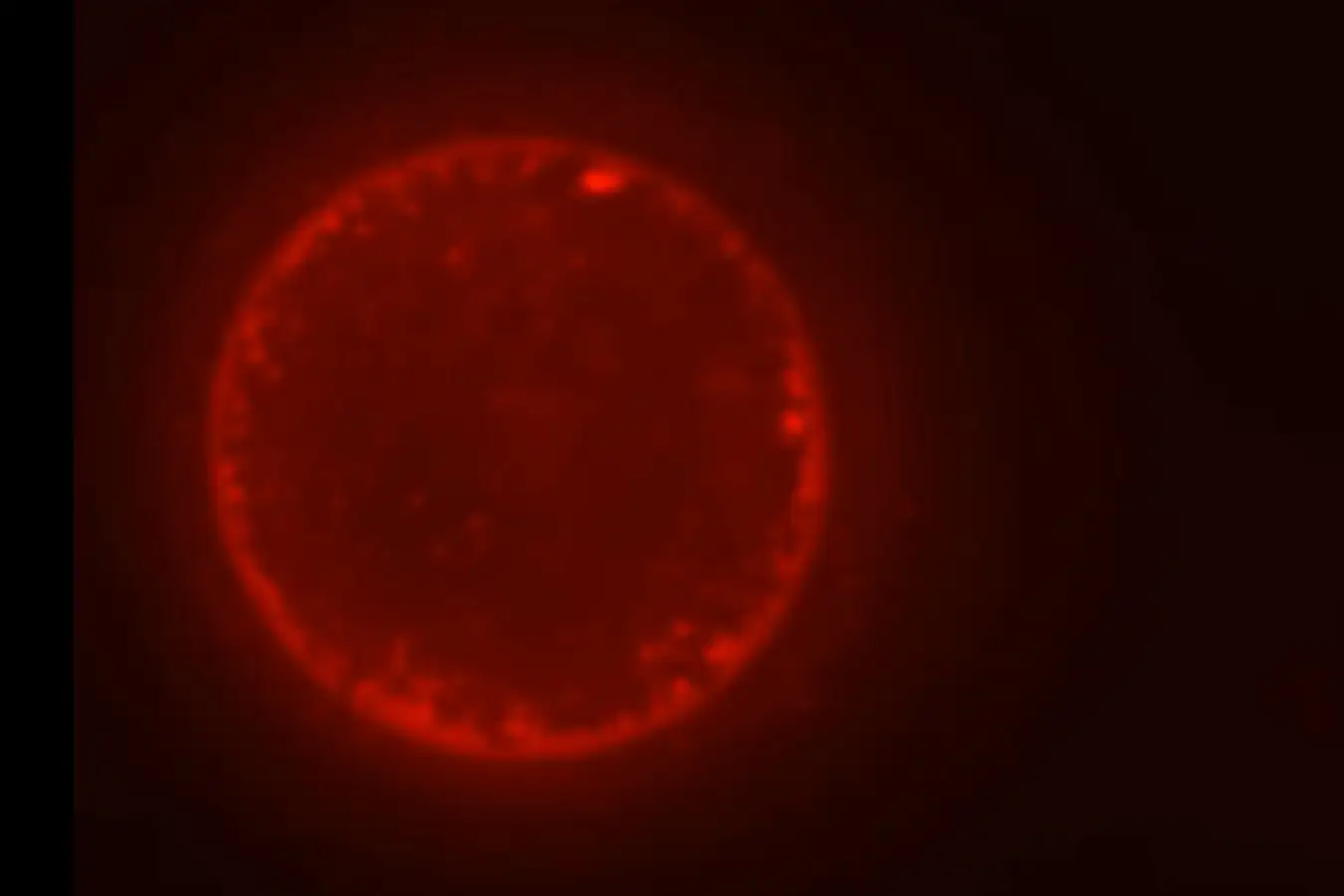

Synthetic SpudCell Exhibits Life-Like Properties
Orion Venero, Adamara Institute
Living organisms are composed of elements that are not inherently alive. This statement carries profound implications. It suggests that no mystical force infuses life into us or any other living entity. Furthermore, it indicates that we should be capable of constructing life forms from the ground up, and we are now considerably closer to achieving that goal.
Artificial life has been a core principle in synthetic biology for many years. In 2010, researchers at the J. Craig Venter Institute in California successfully synthesized a fragmented bacterial genome and incorporated it into a cell devoid of its own DNA. The resulting organisms could grow and reproduce despite having a record low of only 473 genes. However, a significant portion of those genes remained enigmatic regarding their functions, raising questions about their necessity. Instead of modifying existing cells using synthetic genomes, there is a pressing need to assemble microorganisms from scratch.
This is the endeavor currently undertaken by scientists at the University of Missouri. The SpudCell, named to evoke its connection to the age of space exploration and its potato-like appearance, is constructed from a mere 36 genes. When supplied with essential building blocks for life, these genes self-assemble into cell-like structures and produce proteins.
“ SpudCell represents a significant advancement in the creation of artificial life “
Yet, the SpudCell’s functionality is limited. It can only synthesize proteins with the assistance of ribosomes, vital components for protein production. Currently, it cannot metabolize nutrients, generate its own energy, or reliably divide and reproduce. While it is not alive, the SpudCell represents a substantial step forward in the quest for artificial life. If modern living cells are akin to advanced jet airliners, then SpudCells are the primitive prototypes reminiscent of the Wright brothers’ rudimentary designs.
Future iterations of synthetic cells may lead to innovative applications. There is hope that these engineered cells could eventually produce essential materials currently obtained from fossil fuels, including plastics, fuels, and fertilizers—technology that is urgently needed. Moreover, in-depth research into the workings of living organisms will illuminate what life needs and how it emerges from inanimate matter. Solving this fundamental question is critical for the true utility of synthetic biology.
Topic:
Source: www.newscientist.com