


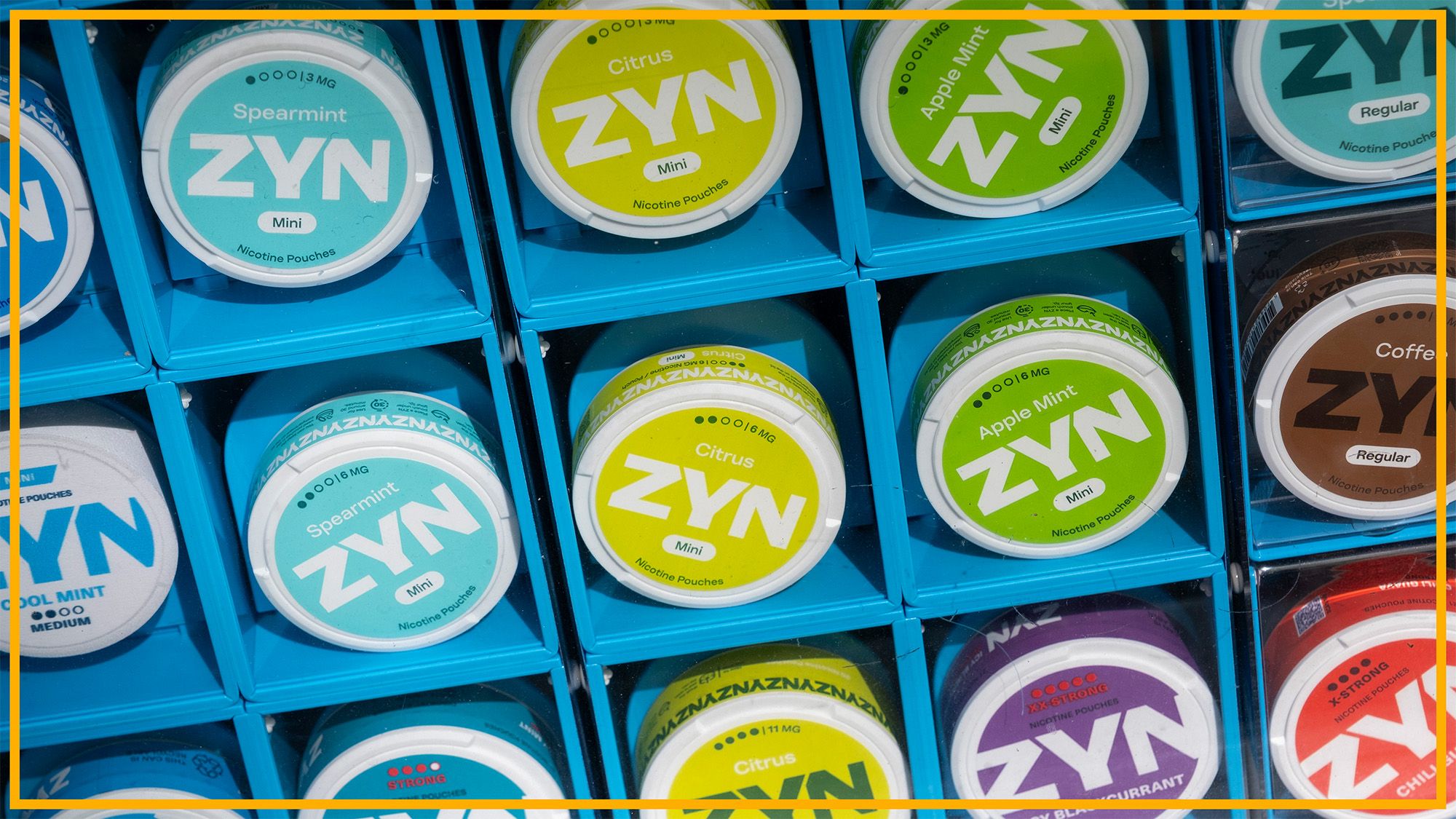
The use of nicotine pouches among teenagers and young adults in the United States is on the rise. As researchers dedicated to understanding nicotine use in youth and developing effective prevention strategies, we are alarmed by the potential emergence of a serious public health crisis. Increasing numbers of teens may be succumbing to addiction through these seemingly innocuous products.
Immediate action is required to combat this growing crisis. A range of strategies could be implemented, including banning flavored pouches, limiting nicotine content in these products, regulating marketing practices, and preventing companies from making misleading claims. While we advocate for such regulations, it is crucial to raise awareness among educators, parents, and youth regarding the dangers associated with nicotine pouch use.
Why is there cause for concern now? Nicotine pouches—small, pillow-like products placed between the gums and lips—are rapidly becoming the second most used tobacco product among American adolescents. A recent survey found that approximately 460,000 students—2.3% of high schoolers and around 1% of middle schoolers—reported using a nicotine pouch in the past month. Notably, over 90% of pouch users prefer flavored options, with mint being the top choice.
While the prevalence of pouch use is still lower than that of e-cigarettes, the number of students opting for pouches has surpassed traditional cigarettes, cigars, and other smokeless tobacco products. In fact, nicotine pouches were the only category in a study to witness a rise in use, while other products either declined or remained stable.
The silent nature of nicotine pouches makes them especially concerning; they produce neither smoke nor visible aerosol, allowing users to discreetly consume them without attracting attention. This design is a deliberate tactic by Big Tobacco, enabling young users to partake during class without detection.
Each pouch contains nicotine powder—derived either from tobacco or synthesized—as well as various additives such as flavoring agents. These flavors range from dessert-like and fruity to minty and even cocktail-inspired, which are especially appealing to young people.
The nicotine content in pouches varies by brand but generally equates to smoking one to four cigarettes or more. Even without visible smoke, the high addictiveness of nicotine poses significant risks, especially for developing brains.
Get the world’s most fascinating discoveries delivered straight to your inbox.
Nicotine use can negatively impact cognitive functions in adolescents, affecting attention and interfering with impulse control, thereby negatively affecting academic performance and mental health. Regarding physical health, data indicates that smokeless tobacco products can harm heart health, increasing risks for those with existing heart conditions.
Tobacco companies are employing the same advertising strategies that have historically attracted young consumers.
(Image credit: Peter Dazeley, via Getty Images)
Although current statistics indicate a modest percentage of adolescent pouch users, it would be unwise to dismiss the issue. Repeated neglect could result in a historical pattern of addiction repeating itself.
E-cigarette usage started with low rates, but once the prevalence was clearly observed in national data, nicotine use had already become entrenched among adolescents, leading to widespread addiction. Moreover, national surveillance surveys often only capture snapshots of use and can lag behind real-time trends in schools and communities.
Increasing concerns about adolescent addiction to nicotine pouches have led us to take action. At Stanford Medicine’s REACH Lab, we collaborate with numerous schools and educators annually to offer a free, evidence-based tobacco prevention curriculum. We have engaged with hundreds of educators, parents, and students nationwide who have voiced serious concerns regarding nicotine pouches, with over 1,200 individuals focusing specifically on this issue.
Recognizing the need for targeted prevention efforts, we developed a dedicated course called Not So Sweet: Oral Nicotine and Smokeless Tobacco Prevention Curriculum.
This free course is intended for schools and professionals working with teens. It covers various oral nicotine and smokeless tobacco products and their health implications, including addiction risks. It also examines the marketing strategies that the tobacco industry employs to lure young users. In just a few weeks since its launch, the curriculum has attracted over 1,500 active participants.
Seeing active engagement with this course is encouraging, especially as we confront what could be a public health crisis.
The current US nicotine pouch market is dominated by three primary brands: ZYN, Above!, and Vero. These products are marketed by tobacco giants like Philip Morris International, Altria, and British American Tobacco. These companies possess extensive experience in promoting nicotine products and are now applying those strategies to nicotine pouches.
They have also begun using advertising techniques suggesting that nicotine pouches can enhance social interactions, provide relaxation, or boost attractiveness to potential partners. The messages emphasize that the discreet nature of pouches allows for use anywhere without drawing attention.
Due to these marketing strategies, the popularity of nicotine pouches has surged. The brand ZYN has garnered household recognition, acquiring nicknames like Zynnie, Zynfluence, and Zyndulgence. ZYN has effectively positioned itself as the Coca-Cola of cola, the Kleenex of tissues, and the Juul of e-cigarettes.
Additionally, the Food and Drug Administration has recently authorized claims that select ZYN products may reduce risks of oral cancers, heart disease, lung cancer, stroke, emphysema, and chronic bronchitis when switched out for cigarettes. However, many teens are using ZYN and other nicotine pouches independently, rather than as a replacement for cigarettes. Unlike adult smokers transitioning to pouches, teens face the risk of new nicotine addiction.
For many teenagers, it’s not a choice between cigarettes and ZYN; it’s ZYN and nothing else.
Although the flavors of nicotine pouches may be appealing, they are far from harmless. This poses a particular danger to young users. Mirroring past experiences with cigarettes and e-cigarettes, we again find ourselves with a highly attractive nicotine product increasingly favored by youth. However, with significant nicotine content, these products are not safe. We must unify efforts now to protect future generations from nicotine addiction.
Editor’s Note: Bonnie Halpern Felscher has served as an expert witness in litigation against various tobacco companies.
This article is for informational purposes only and does not provide medical advice.
Opinion on Live Science provides insights into critical scientific issues affecting you and the world, authored by experts and leading scientists.
Source: www.livescience.com