


Three White-Tailed Eagle Chicks Fledge in Southern England for Fourth Year in a Row
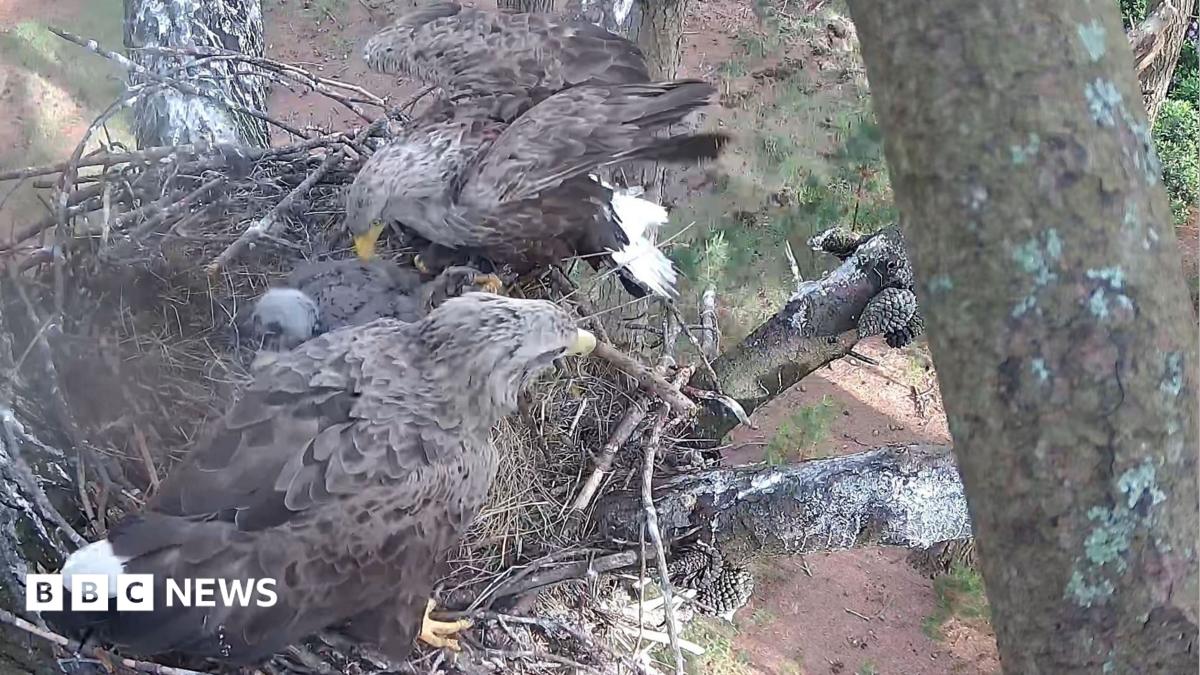
White-tailed eagle chicks have successfully fledged from wild nests in the UK for four consecutive years, marking another milestone in the species’ reintroduction.
Two of the five pairs of eagles released by the reintroduction project successfully bred and raised their young. One chick fledged from a nest in Dorset, while two more left their nest in Sussex.
White-tailed eagle reintroduction reaches new milestone
The project is run by Forestry England and the Roy Dennis Wildlife Foundation, with the aim of bringing white-tailed eagles back to the UK. Nine birds have been born in the wild since the project began in 2019.
Roy Dennis OBE, of the Roy Dennis Wildlife Foundation, said: “This year’s successful breeding is another important milestone in bringing this lost species back to the UK. It shows what highly skilled wildlife managers can achieve.”
The foundation described the breeding attempt as “remarkable”, noting that one of the adult males lost his leg five years ago and now has only one leg.
White-tailed eagles once extinct in southern England
Human persecution drove the white-tailed eagle to extinction in the UK. The last pair bred in southern England in 1780.
“Recovering species takes many years and requires the support of a wide range of communities and organizations, especially landowners and farmers,” Dennis added.
Steve Egerton-Reid, Forestry England’s White-tailed Eagle Project Manager, said: “We are delighted that these three chicks made it and will be closely monitoring their progress as they begin to explore the landscape.”
More than 50 young eagles released
To date, 56 young white-tailed eagles have been released. This includes an additional six birds released in Exmoor National Park this year, for the first time in partnership with Exmoor National Park Authority.
Follow BBC Sussex on Facebook, X and Instagram. Listen to BBC Radio Sussex. Send your story ideas to [email protected]. Or contact us on WhatsApp on 08081 002250.
Source: www.bbc.co.uk