


Summer is often associated with an increased risk of foodborne illness, including Salmonella infections. In late August, several overlapping Salmonella outbreaks had affected at least 30 states, while reported cases of Cyclospora appeared to be declining. Hundreds of people became ill, prompting recalls involving eggs, granola, jalapeño peppers, green powders, nut butter and dog food.
Salmonella outbreaks have become an unfortunate feature of American summers, and the risk extends beyond meat and eggs. Research suggests that warmer, wetter weather associated with climate change may increase the amount of fresh food produced while creating conditions that help foodborne pathogens spread. Salmonella and other bacteria can travel through contaminated soil, water, produce and food-processing environments.
“Warmer temperatures will create an environment in which bacteria such as Salmonella and parasites such as Cyclospora can thrive,” Ellen Shoemaker, a food safety expert with the North Carolina Extension Service, told WIRED.
Fortunately, one of the most effective ways to prevent Salmonella at home is also one of the simplest: cook food thoroughly. Using the correct internal temperature for each type of food can destroy Salmonella and other harmful bacteria. A reliable food thermometer is the best way to confirm that food is safe to eat, since color and texture are not dependable indicators of doneness.
I’m the lead cooking technology reviewer on the WIRED review team, and I believe a food thermometer is one of the most important food-safety tools in any kitchen. It helps prevent both undercooking and overcooking while making it easier to follow USDA food-safety recommendations.
Although most Americans own a food thermometer, more than 70 percent do not use one regularly to check food temperature, according to food-safety surveys. That matters because harmful bacteria can survive in food that appears fully cooked.
A basic $14 instant-read food thermometer can provide an accurate enough reading for dishes such as meat, casseroles and lasagna. However, inexpensive models may take seven or eight seconds to produce a stable temperature reading. That delay can be inconvenient when you are checking food in a hot pan, standing over a pot or opening an oven.
The best meat thermometer is the one you will actually use. For more than a decade, WIRED’s review team has recommended fast, instant-read thermometers that cost considerably more than basic models. The main benefit is speed, consistency and ease of use.
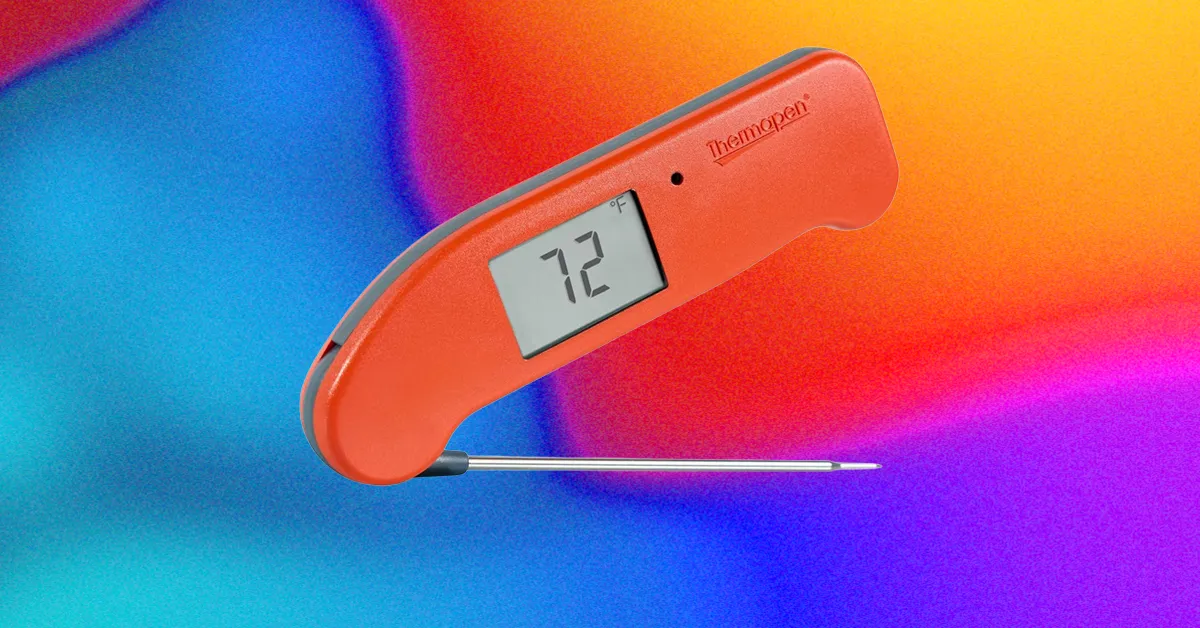
The ThermoWorks Thermapen One, for example, displays a stable digital temperature reading within seconds. That speed makes it more likely that you will check food during everyday cooking instead of guessing or skipping the step altogether. Keeping an instant-read thermometer in a convenient location near the stove can also make it easier to use consistently.
What cooking temperature kills Salmonella?
Food-safety experts recommend adding a reliable “kill step” to meal preparation. For many foods, that step is cooking the food to a safe internal temperature for the appropriate amount of time. A thermometer provides the most dependable way to verify that the center of the food has reached the required temperature.
Salmonella and other harmful bacteria multiply quickly in the food-safety danger zone, generally between 40 and 140 degrees Fahrenheit. To reduce the risk of food poisoning, keep cold foods refrigerated at 40 degrees or below, and cook hot foods to their recommended internal temperatures. After cooking, keep food hot at 140 degrees or above, and refrigerate leftovers promptly.
The USDA recommends cooking poultry and reheated leftovers to an internal temperature of 165 degrees Fahrenheit. Ground meats should reach 160 degrees, while whole cuts of beef, pork, lamb and veal should reach at least 145 degrees followed by a three-minute rest. Always measure the temperature in the thickest part of the food and clean the thermometer between uses.
Along with using a food thermometer, reduce Salmonella risk by washing your hands, preventing cross-contamination, cleaning preparation surfaces and keeping raw meat and eggs separate from ready-to-eat foods. These simple habits, combined with proper cooking and refrigeration, can help protect your household from Salmonella and other foodborne illnesses.
Source: www.wired.com