


Garlic is a culinary superstar, renowned for its ability to elevate bland dishes into mouthwatering experiences. However, its allure extends beyond flavor—it’s long celebrated for its health benefits, dating back thousands of years, when it was commonly used to combat infections and digestive issues.
In contemporary health discussions, garlic is cherished for its potential anti-cancer properties, anti-inflammatory benefits, and its impressive ability to improve cardiovascular health by reducing blood cholesterol levels.
This powerful ingredient has become a staple not just in home kitchens but also in the health supplement market, available in concentrated powder forms for health enthusiasts. But does garlic truly lower cholesterol levels?
While numerous studies point to garlic’s advantages for our health, the science surrounding its cholesterol-lowering capabilities remains inconclusive.
The Power of Allicin in Garlic
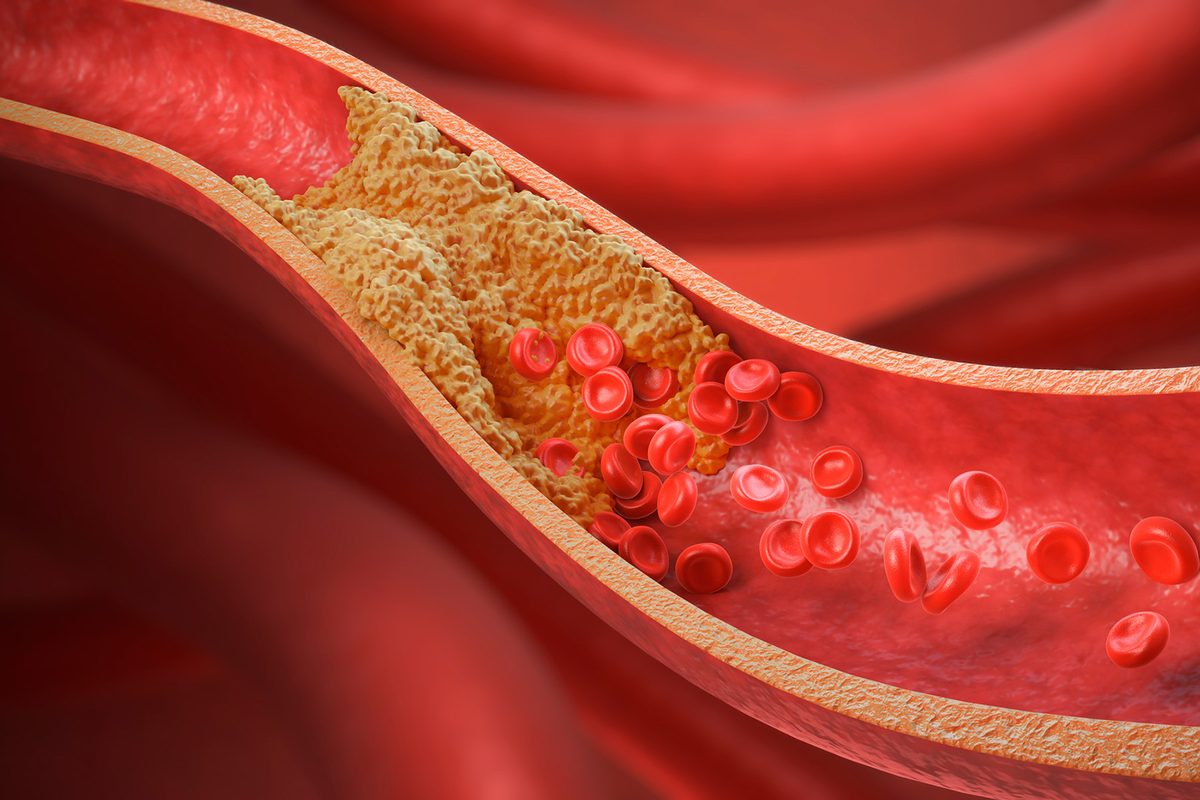
Cholesterol, particularly LDL or “bad” cholesterol, can lead to the accumulation of fatty plaque in arteries, raising the risk of heart disease, as noted by the World Heart Federation. High cholesterol is linked to an estimated 3 to 4 million deaths annually.
Lowering cholesterol is a straightforward approach to significantly diminish heart disease risk.
Garlic aids in this process thanks to its sulfur-containing compounds, particularly allicin.
Interestingly, garlic doesn’t naturally contain allicin. To activate its benefits, garlic must be crushed or chopped, which breaks down the cell walls, releasing various beneficial compounds and enzymes.
“Once crushed, garlic reacts with air to create allicin, responsible for its characteristic aroma, flavor, and possible health benefits,” explains Dell Stanford, Senior Nutritionist at the British Heart Foundation.
It typically takes about 10-15 minutes for allicin to form after crushing garlic.
“Garlic contains an impressive array of bioactive compounds, including allicin,” Professor Stanford adds.
According to research from Stanford University, laboratory studies suggest these compounds “are linked to heart health due to their antioxidant and anti-inflammatory properties and may also have modest effects on cholesterol metabolism, potentially lowering blood pressure.”
Most cholesterol in our bloodstream is produced by the liver rather than consumed through diet. Allicin has been shown to inhibit cholesterol production in the liver by targeting the enzyme HMG-CoA reductase (HMGCR), the same enzyme targeted by cholesterol-lowering statin medications.
Additionally, allicin and other garlic-derived compounds may decrease cholesterol absorption in the intestines and promote its elimination from the body according to recent studies.
Exploring Garlic’s Complex Compounds
Maximizing garlic’s potential cholesterol-lowering effects is a multifaceted challenge within nutritional science.
Research yields mixed results regarding garlic and cholesterol reduction. Some studies indicate a clear reduction in overall cholesterol and LDL levels after consuming certain garlic forms, while others find minimal impact.
Divergent study results are partly attributed to the various forms and testing methodologies of garlic used in research, Stanford mentions.
“It’s a significant leap from laboratory mechanisms to proving substantial benefits in humans,” she says. “Garlic studies have employed multiple forms of garlic—raw, powdered, extracts, oils, supplements, and aged or black garlic—across diverse dosages and populations, making comparisons challenging.”
“Garlic seems to be more effective for individuals with elevated cholesterol while showing diminished effects in healthy individuals.”
Allicin’s stability is another concern. Once produced, it degrades quickly, meaning immediate consumption post-preparation is crucial for maximum efficacy.
Preparing Garlic for Maximum Benefits
Let’s focus on the most straightforward garlic option: fresh white garlic. Studies show that cooking significantly diminishes garlic’s health-boosting properties. To harness its cholesterol-lowering effects, it’s best to crush fresh garlic for salads rather than adding whole cloves to cooked dishes like Bolognese.
Aged black garlic has also gained attention among researchers and culinary enthusiasts.

“Biochemically, black garlic differs significantly from raw garlic,” Stanford explains. “Aged black garlic contains less allicin but higher levels of stable polysulfides like S-alicysteine (SAC).
This compound is more stable and less volatile than allicin, making it ideal for standardized preparations used in research.
Research studies have indicated that black garlic could potentially improve blood fat management and lower blood pressure.
Another avenue to explore is garlic-based supplements. Given garlic’s superfood status, many products in the market offer capsules, powders, and oils enriched with allicin, SAC, and other key compounds.
Among these, “Kyolic” garlic is praised as particularly potent, according to Professor Karin Reid, Director of Research at the Australian National Institute for Integrative Medicine.
“Kyolic Aged Garlic Extract is highly effective, providing a stable dose of cardiovascular benefits,” she notes. “While dietary intake supports immune health, it doesn’t deliver sufficient quantities for vascular effects.”
According to recent studies, Kyolic’s aged garlic not only helps lower blood pressure in hypertensive patients but may also improve arteriosclerosis, inflammation, and gut microbiota.
Consumers should exercise caution when selecting supplements, as packaging often claims to “support normal heart function” rather than explicitly stating they lower cholesterol. This cautious messaging reflects the early, inconclusive nature of research.
“Some studies suggest garlic supplements could lower cholesterol, but the evidence remains limited and inconsistent,” Stanford states. “The UK Dietary Guidelines currently do not endorse garlic supplements; incorporating fresh garlic into a balanced diet is the preferable approach.”
Final Thoughts on Garlic and Cholesterol
Lowering cholesterol is predominantly crucial for those with high levels or certain cardiometabolic issues. “Cholesterol serves essential functions, such as being a building block for vitamin D and steroid hormones,” explains Reid. “Furthermore, cholesterol is a major component of brain tissue, consisting of about 60% fat, primarily cholesterol. Instead of drastically lowering cholesterol, maintaining a healthy balance of HDL and LDL is vital.”
Garlic is undoubtedly a healthful ingredient to incorporate into your culinary repertoire, although research on its cholesterol-lowering ability remains mixed, particularly regarding common consumption forms.
Researchers advocate for longer-term studies utilizing standardized intake methods to better understand garlic’s impact on cholesterol.
There are minimal downsides to increasing garlic in your diet, aside from potential breath odor. Just remember not to treat it as a medicinal cure.

“Incorporate fresh white or aged black garlic into your meals for their bioactive compounds that promote health,” Stanford concludes. “Following a balanced, nutrient-rich diet—rich in oatmeal, legumes, whole grains, fruits, vegetables, healthy fats, and fatty fish—is a more evidence-based method for lowering cholesterol.”
Read more:
Source: www.sciencefocus.com