


How Did Roman Aqueducts Work, and Why Have They Lasted So Long?
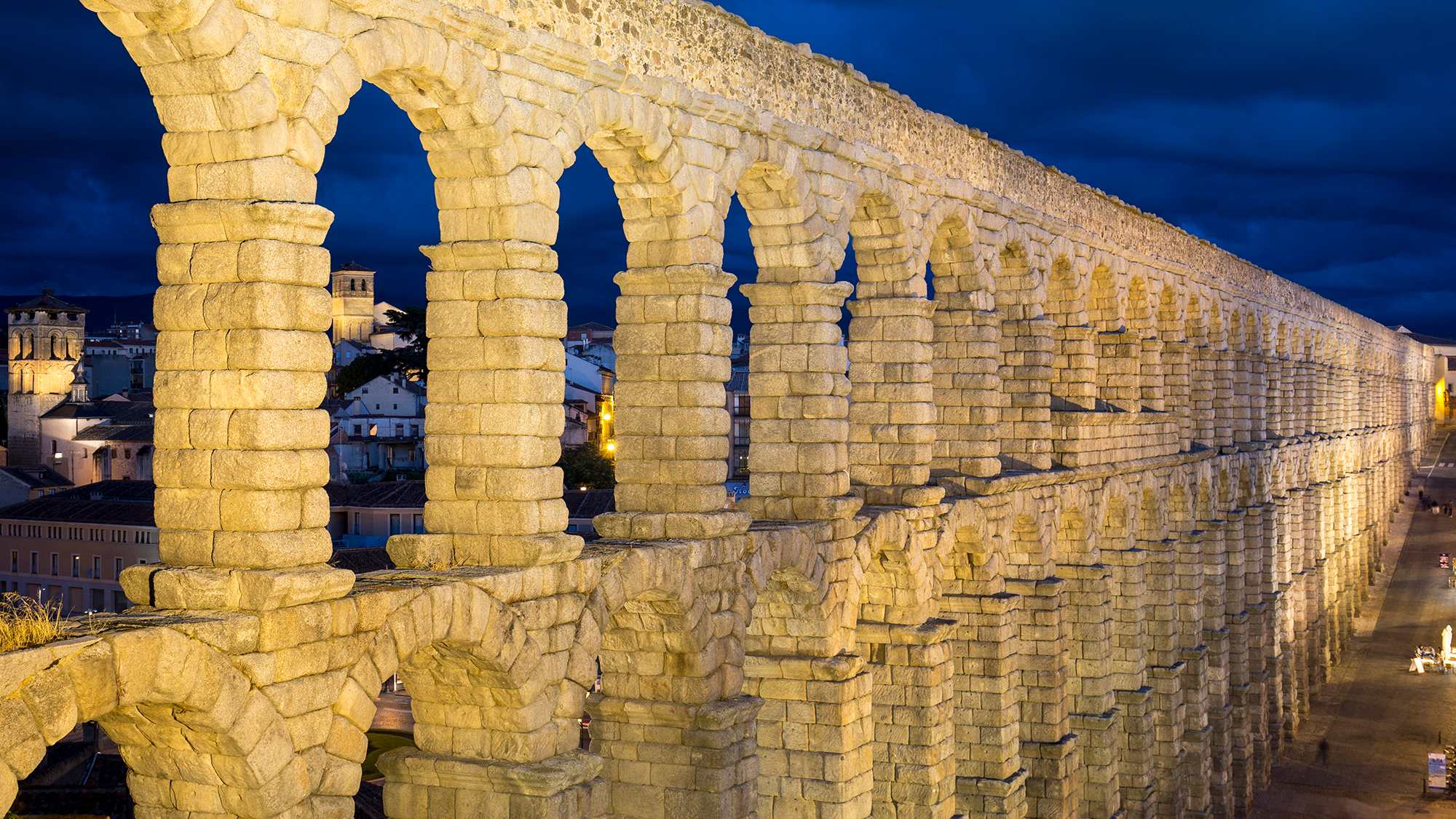
Roman aqueducts are among the most impressive engineering achievements of the ancient world. Built to transport fresh water from distant springs and rivers to cities, towns and military settlements, these structures supplied drinking water, public baths, fountains and private homes across the Roman Empire.
Some Roman water systems stretched for extraordinary distances. The aqueduct network that supplied Constantinople, modern-day Istanbul, extended for hundreds of miles and is considered one of the longest water channels built in the ancient world, according to research from Johannes Gutenberg University Mainz.
Many Roman aqueducts have survived for nearly 2,000 years. Their enduring remains, including the Pont du Gard in France and the Aqua Virgo in Rome, reveal how Roman engineers combined careful surveying, durable materials, regular maintenance and practical construction techniques.
How Roman engineers planned an aqueduct route
Building an aqueduct began with finding a reliable water source. Springs were especially valuable because they generally provided a steady flow of relatively clean water. Engineers then had to design a route that allowed gravity to carry water continuously toward its destination.
Roman aqueduct channels were built with a gentle downward slope. If the gradient was too steep, water could flow too quickly and damage the channel. If it was too shallow, the water might stop moving altogether. Selecting the correct route required careful measurements across hills, valleys and uneven terrain.
Roman surveyors likely used instruments such as the dioptra and the libra. The dioptra allowed surveyors to sight along a horizontal or vertical line, while the libra used a suspended plumb bob to compare differences in elevation. These tools helped workers establish a consistent gradient along the proposed route.
“To select a route with the required slope, Roman surveyors would have used a libra or dioptra,” archaeologist Joseph Lewis of the University of Cambridge told Live Science by email.
How Romans built long-lasting aqueducts
Roman aqueducts were constructed from a combination of stone, brick, mortar and concrete. In many cases, the channels were lined with waterproof plaster to prevent leaks and protect the masonry from constant exposure to water.
Roman concrete also contributed to the durability of aqueduct bridges, arches and underground structures. It commonly included volcanic ash called pozzolana, which was mixed with lime and water to create a strong, water-resistant material.
“Roman concrete certainly played an important role, especially in bridges, arcades and other structural elements,” Giovanni De Feo, a professor of industrial engineering at the University of Salerno, said in an email.
Although aqueducts are often associated with towering arches, much of an aqueduct system was hidden underground or built at ground level. Engineers used tunnels, covered channels and low embankments wherever possible. Arches were mainly required when the route crossed a valley or another major obstacle.
Some aqueducts extended only slightly above the ground outside a city, while others crossed long stretches of countryside on monumental arcades. This flexible approach allowed Roman engineers to adapt their designs to local landscapes and geological conditions.
How Roman aqueducts kept water clean
Roman engineers understood that water quality depended on more than simply transporting water from one place to another. As an aqueduct approached a city, the water could pass through settling basins. These pools slowed the flow and allowed sediment and other visible impurities to sink to the bottom before the water entered the distribution system.
Water was then directed into storage and distribution tanks, where it could be supplied to public fountains, baths, homes and other facilities. The exact design varied from one city to another, depending on the size of the population and the aqueduct.
How many people built a Roman aqueduct?
The number of workers required depended on the length, terrain and construction schedule of the project. Hadrian’s Aqueduct in Athens, for example, was approximately 12.4 miles (20 kilometers) long. Researchers have estimated that a workforce of about 500 people could have completed it in roughly 15 years.
Large aqueduct projects involved surveyors, engineers, stonecutters, brickmakers, laborers and specialists responsible for building tunnels, bridges and water channels. Coordinating these workers over long distances required substantial administrative planning.
Why Roman aqueducts survived for so long
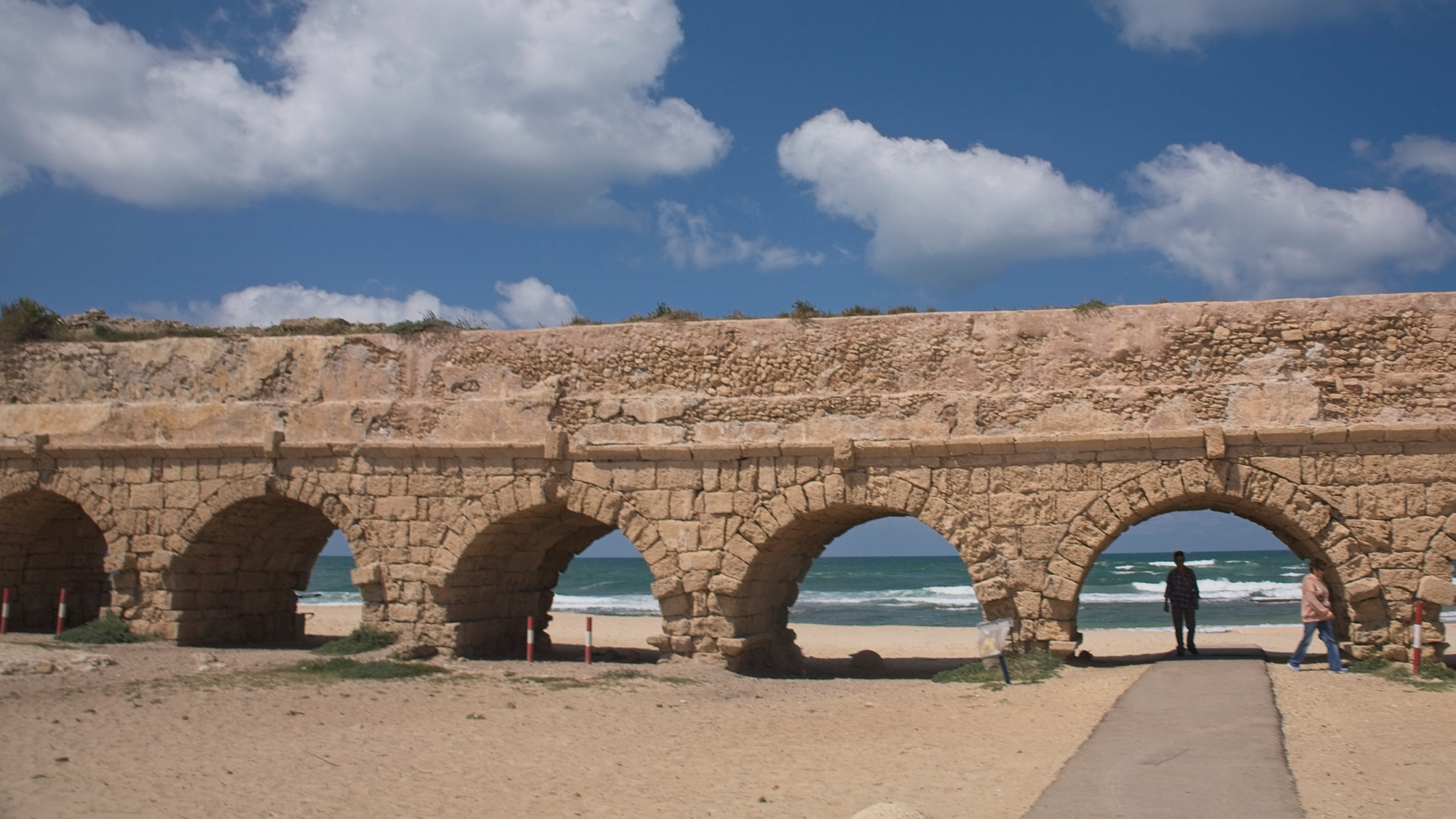
Durable materials were only one reason Roman aqueducts lasted for centuries. Engineers also selected routes that followed stable geological formations and avoided unstable ground whenever possible. Aqueducts were sometimes placed underground to protect them from weather, erosion and human damage.
Regular maintenance was equally important. Over time, minerals dissolved in the water could form thick carbonate deposits inside the channel. Maintenance workers removed some of this buildup and then repaired or replastered the interior surface. In other cases, workers simply applied new plaster over the existing deposits.
“I believe these remarkable preservations are due to a combination of factors,” geologist Cees Passchier of Johannes Gutenberg University Mainz said. These factors included careful route selection, durable construction and ongoing maintenance.
Maintenance requirements varied depending on the size of the aqueduct. A small system might have been managed by a handful of workers, while Rome’s extensive network required hundreds of staff to inspect channels, clear blockages and repair damaged sections.
Roman aqueducts after the fall of the empire
Many aqueducts continued to be used or repaired after the Western Roman Empire declined. Some remained important sources of water during the Middle Ages, while others were adapted for later communities.
The Aqua Virgo, completed in 19 B.C., is one of the best-known examples. Parts of the system still supply water to Rome today, demonstrating how effectively Roman engineers designed, built and maintained their water infrastructure.
Roman aqueducts lasted so long because they were not simply massive stone bridges. They were carefully engineered systems supported by accurate surveying, gravity-fed design, water-resistant materials, stable routes and centuries of maintenance.
Want to test your knowledge of ancient Rome? Learn more about the emperors who ruled from Augustus to Nero with a Roman emperor quiz.
Topics
Source: www.livescience.com