


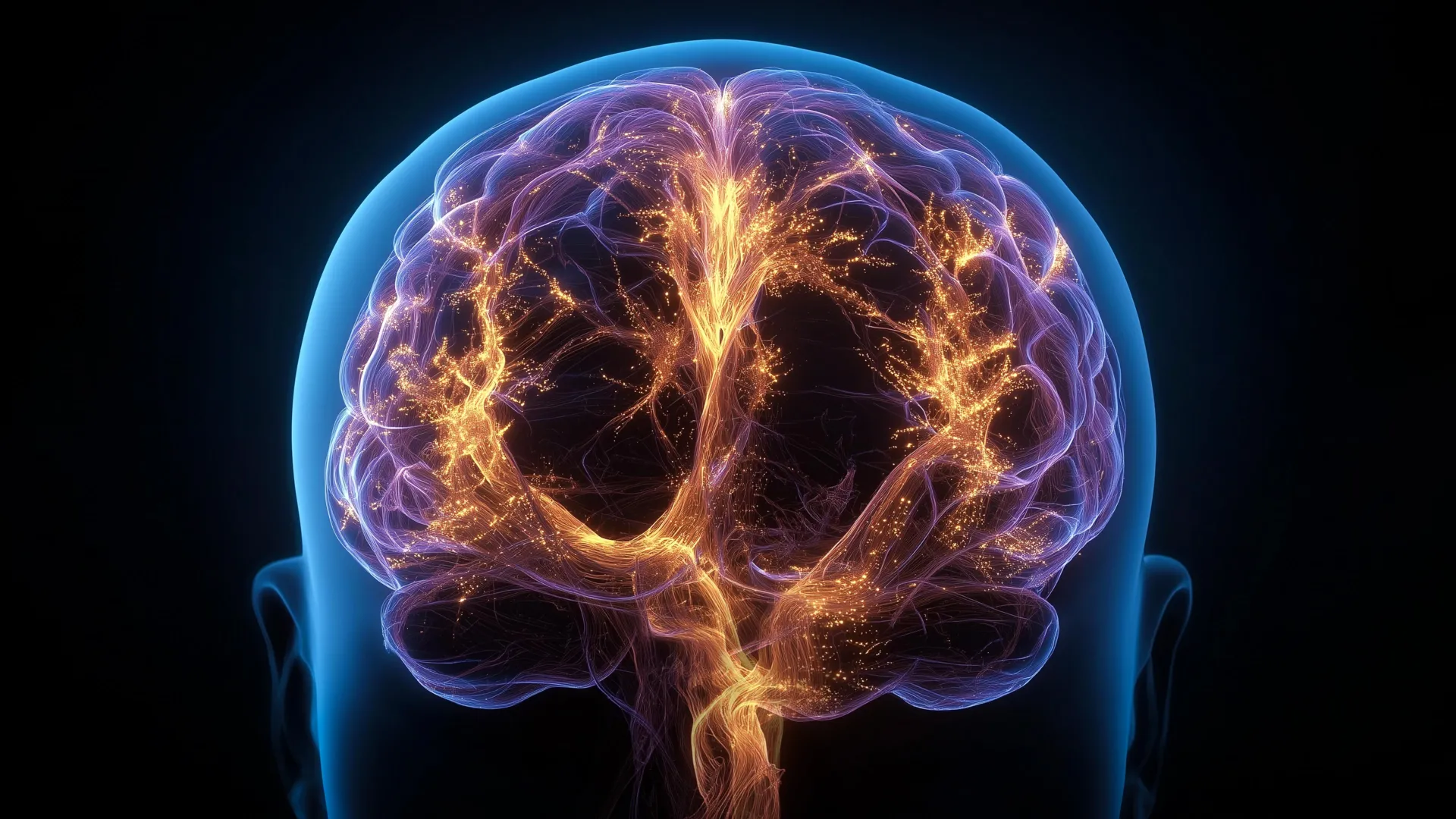
Regular exercise may do more than strengthen the body. New research from Victoria University (VU) suggests that physical activity may also help protect the aging brain from cognitive decline, dementia, and Alzheimer’s disease by supporting the brain’s natural waste-removal system.
VU researcher Dr. James Broch led an analysis examining how exercise affects the glymphatic system, the brain’s waste-clearance pathway that is especially active during sleep. This system helps maintain brain health by removing metabolic waste, and its function may become increasingly important as we age.
How exercise may support brain health as we age
The benefits of regular exercise for healthy aging are well established. However, researchers are still working to understand exactly how physical activity may help protect the brain. Identifying these mechanisms is particularly important because more than 10 million people worldwide are diagnosed with dementia every year, and there is currently no cure.
The peer-reviewed paper, Exercise as a regulator of glymphatic function, was recently published in the journal Trends in Neurosciences. The researchers reviewed existing studies on the glymphatic system in both animals and humans.
Although further research is needed, the analysis suggests that exercise may improve several physiological processes involved in regulating glymphatic function.
Potential benefits include lower blood pressure and reduced blood vessel stiffness, improved activation of brain neurons, less brain inflammation, lower resting levels of norepinephrine, and better sleep. Exercise may also improve deep sleep and increase slow-wave activity, which is associated with the brain’s waste-removal processes.
Exercise may help the brain remove everyday waste
Dr. Broch said the connection between physical activity and brain protection could offer important clues as scientists search for evidence-based exercise strategies to help reduce age-related cognitive decline.
“We know that when the brain doesn’t have a chance to essentially get rid of the day’s junk, the buildup can be harmful, especially as we age. Sleep is more important than ever to fulfill this role, but ironically, it often becomes harder to get quality sleep as we get older. This study asked what if exercise could support that process,” Dr. Broch said.
Because the glymphatic system carries out much of its cleansing activity during sleep, exercise may support brain health through several connected pathways. The findings suggest that better sleep quality, healthier blood vessels, reduced inflammation, and other exercise-related changes may all contribute to more effective brain waste clearance.
Researchers are still determining the best type and amount of exercise
Dr. Broch emphasized that important questions remain. Researchers still need to determine how much exercise is most effective, which types of physical activity provide the greatest benefits, and whether exercise recommendations should be adapted for people experiencing cognitive decline or living with a neurological disease.
While these questions remain unanswered, the findings provide another reason to make regular physical activity part of a healthy daily routine.
“At the very least, this is another reminder that regular exercise, especially exercise that gets your heart rate up, is so important for all parts of your health. The earlier you develop these good habits, the better you’ll be as you get older,” Dr. Broch said.
Source: www.sciencedaily.com