


Nepal Urges India and China to Unite Against Growing Himalayan Climate Threat
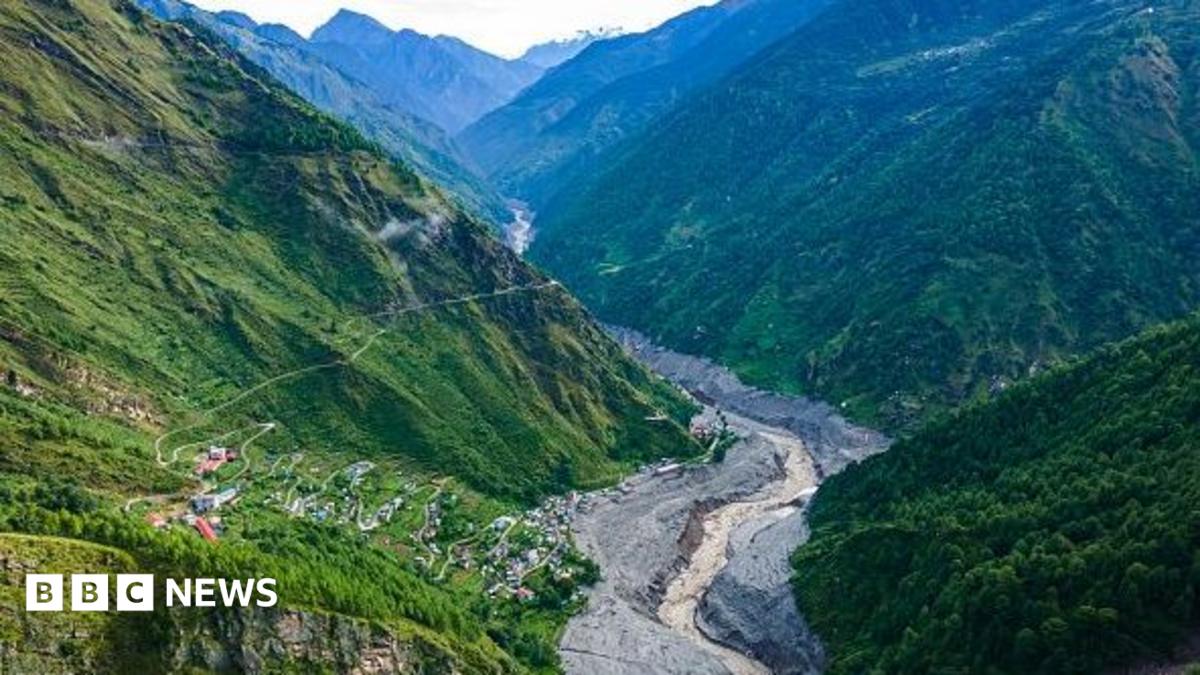
Nepal’s Prime Minister Balendra Shah has called for greater cooperation between Nepal, India and China to tackle climate-related disasters in the Himalayas after a devastating debris-flow flood hit his country in August.
Speaking at the United Nations General Assembly, Mr. Shah warned that the region faces a growing threat from climate change. He proposed the creation of a Himalayan Climate Recovery Mechanism to improve cross-border disaster response and encourage countries to share scientific data and expertise.
The initiative would bring together regional rivals India and China, along with Nepal, to address common environmental risks in one of the world’s most fragile and geopolitically sensitive regions.
“Let’s make the Himalayas a testing ground for international cooperation rather than a frontier for fragmented information,” he said.
Nepal’s Himalayan climate proposal is still at an early stage
A senior official at Nepal’s foreign ministry said on condition of anonymity that the proposal remained in its early stages.
“The prime minister’s proposal has a political direction. The ministry is working with other relevant organizations to present an interim framework that can serve as a basis for building a common understanding,” the official said.
Neither India nor China has formally responded to the proposal. The BBC has contacted the Foreign Office for comment.
Can Nepal unite India and China over climate risks?
Nepal’s proposal faces a major diplomatic challenge. India and China share a disputed border spanning about 3,500 kilometers (2,175 miles), much of it across the Himalayas.
Their competing territorial claims have led to wars, deadly clashes and repeated military confrontations along the Line of Actual Control (LAC), the de facto border delimiting the areas under their control.
Yet the mountainous regions that have long been a source of friction between the two countries also face pressing climate threats.
Climate change is increasing disaster risks in the Himalayas
Temperatures in the Himalayan region are rising faster than the global average. This is accelerating glacier retreat and thawing permafrost, increasing the risk of landslides, rockfalls, avalanches and glacial lake outburst floods.
These disasters can cross national borders and threaten lives, infrastructure and livelihoods far downstream. As climate risks intensify, cooperation among the countries that share the Himalayas is becoming increasingly important.
Source: www.bbc.co.uk